

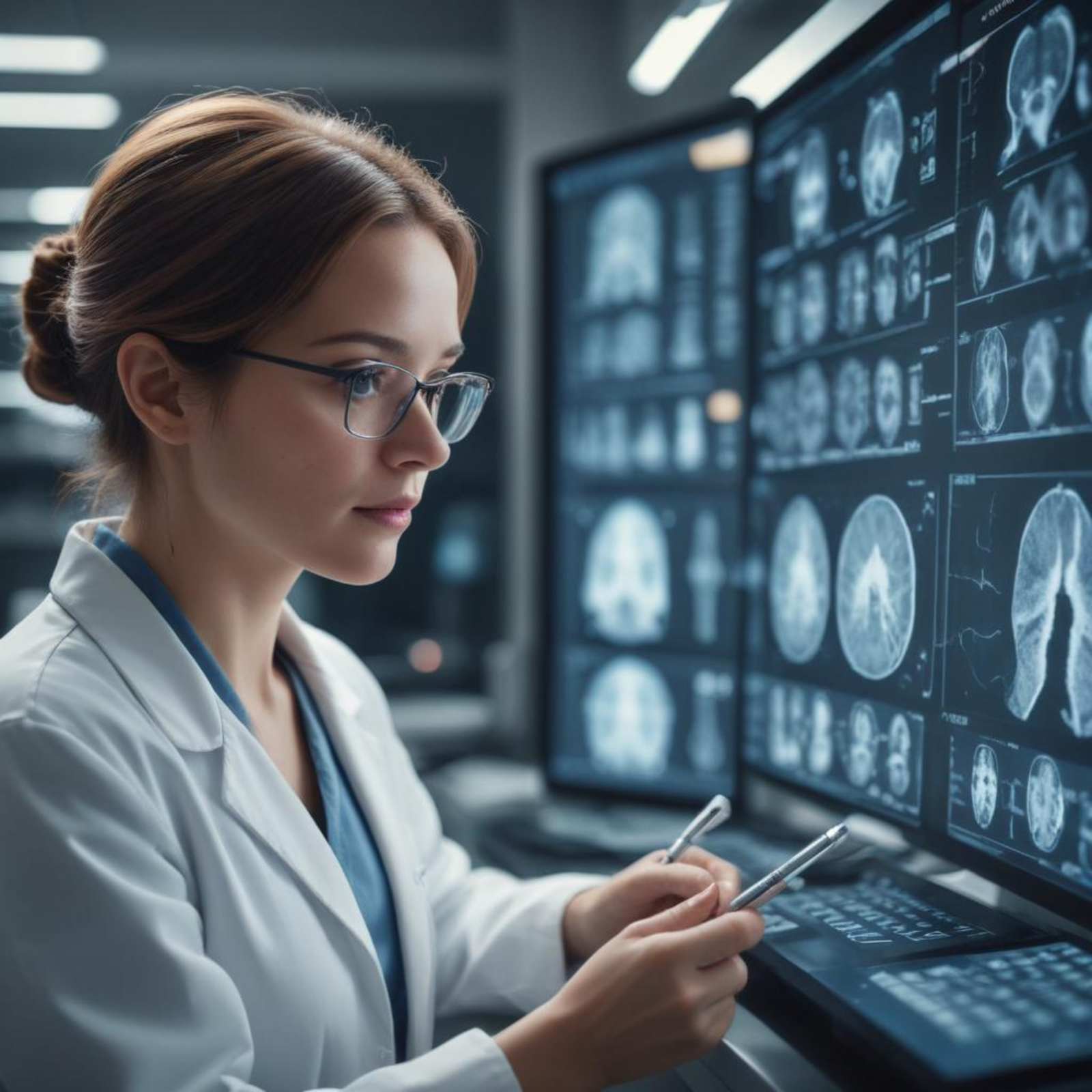
AI-Driven Precision Oncology Treatments are changing how we approach cancer care. By combining artificial intelligence with personalized medicine, doctors now have new tools to better diagnose, monitor, and treat cancer. This innovation provides more accurate treatment plans tailored to each patient’s genetic makeup, improving both outcomes and quality of life.
How AI-Driven Precision Oncology Treatments Are Enhancing Personalized Cancer Care
Traditional cancer treatments often rely on broad strategies like chemotherapy or radiation. These approaches can be effective but don’t always consider the unique biology of each patient’s cancer. That’s where AI steps in. It can analyze large volumes of medical data quickly, identifying patterns that would take humans much longer to spot. This allows for more precise targeting of treatments, reducing side effects and improving recovery rates.
For example, AI algorithms can process genetic test results and suggest therapies that align with specific mutations found in a tumor. As a result, oncologists can choose drugs that are more likely to work for that individual. This level of precision means fewer trial-and-error prescriptions and faster relief for patients.
Benefits of AI-Driven Precision Oncology Treatments
- Better treatment decisions: AI provides insights from thousands of cancer cases, helping doctors choose the best options.
- Fewer side effects: Because treatments are tailored, patients are less likely to experience unnecessary or extreme side effects.
- Faster diagnosis: Machine learning tools can help detect cancer earlier and more accurately, increasing chances of successful treatment.
- Ongoing monitoring: AI helps track how patients respond to therapy, ensuring that adjustments are made in real time.
AI doesn’t replace oncologists. Instead, it enhances their expertise. Doctors still make the final treatment decisions, but they do so with stronger data and more targeted recommendations.
Practical Tips for Patients Considering Precision Oncology
- Ask about genetic testing: This is a critical part of precision oncology since it helps identify the most effective treatments for your specific cancer.
- Check if your provider uses AI-supported tools: Not all clinics have integrated these systems yet, so it’s worth asking.
- Get a second opinion: If possible, consult an oncology center that specializes in personalized treatments and uses AI-based tools.
- Stay informed: Cancer research is evolving quickly. Ask your care team about new clinical trials or therapies that might be available. You may also benefit from personalized chronic disease management tools for empowered care, which can help track ongoing treatment progress and improve outcomes.
It’s important to remember that while the benefits are promising, not every cancer case qualifies for AI-guided precision treatment yet. Some therapies are still in experimental stages or limited to certain cancer types. Insurance coverage can also be a factor, so patients should confirm what services are included under their plan.
What Are the Limitations of AI in Cancer Treatment?
Despite its great potential, AI in oncology is still developing. There are challenges with data quality. AI systems need clean, comprehensive data to function well, and not all patient records meet that standard. Also, these systems depend on continuously updated information. Medical providers must keep software and databases current so outcomes stay reliable.
Additionally, AI tools require proper validation. Not every model has been rigorously tested for all patient populations, so it’s essential that care remains individualized by human specialists.
Looking Ahead: The Future of AI-Driven Precision Oncology Treatments
The future looks bright for AI-Driven Precision Oncology Treatments as more hospitals and research centers adopt this cutting-edge approach. Ongoing studies are making therapies more accurate and accessible. With better algorithms and larger data sets, AI is expected to support faster diagnoses, refined drug development, and more inclusive treatment options.
For patients, this means hope. It means getting care rooted in their unique needs, not just the average case. And for the medical community, it offers a smarter, more targeted way to fight one of the world’s toughest diseases. While we still have a long journey ahead, each breakthrough brings us one step closer to smarter, more effective cancer care. To support this shift, digital innovations like integrating digital tools for emotional resilience can play a valuable role in helping patients cope with their diagnosis and treatment path.
