

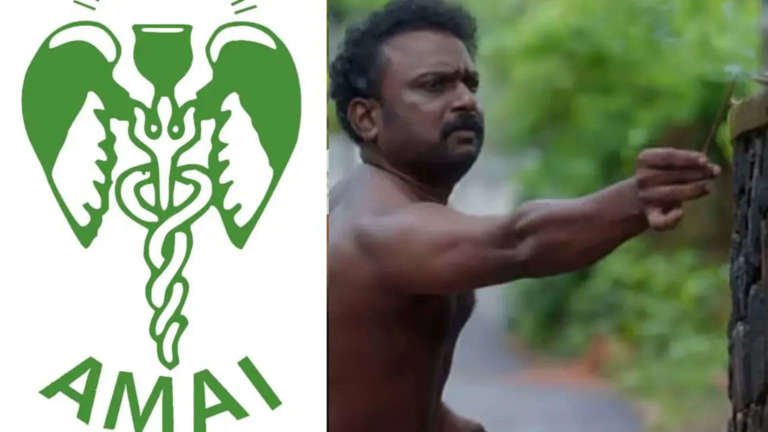
The recent release of the Malayalam film ‘Vaazha 2’ has ignited significant controversy within the medical community, highlighting an Ayurveda movie scene controversy that critics claim inaccurately portrays the medical tradition by associating a health condition with the consumption of arishtam, a traditional Ayurvedic preparation. This discord underscores the wider impact of media representations on traditional medicine practices and cultural perceptions. The Ayurveda Medical Association of India has responded with strong opposition, planning to seek legal recourse to address the portrayal.
Ayurveda Movie Scene Controversy Sparks Legal Action
The contentious scene in ‘Vaazha 2’ has drawn sharp criticism from the Ayurveda community, particularly due to its perceived misrepresentation of Ayurvedic principles. The scene in question suggests a direct connection between a character’s ailment and their consumption of arishtam, a portrayal that many in the field argue oversimplifies and mischaracterizes Ayurvedic practices. Such depictions can mislead audiences and distort public understanding of Ayurveda, an ancient system of medicine centered on holistic well-being. This misrepresentation relates to broader discussions around the portrayal of Ayurvedic herbs for liver health, as both situations stress the importance of accurate cultural depiction.
Community’s Reaction to Misinformation
Members of the Ayurveda Medical Association of India have voiced their intent to address these inaccuracies through legal channels, a move reflecting their commitment to safeguarding the integrity of Ayurvedic practices. The association argues that misrepresentations in popular media can perpetuate stereotypes and contribute to misinformation among the public, potentially impacting the field’s credibility and the trust of those who rely on its teachings.
Impact on Cultural Understanding
Furthermore, this film controversy sheds light on the broader issue of cultural representation in media. The portrayal of traditional practices in modern cinema influences how audiences perceive and value these traditions. Therefore, inaccuracies may not only affect professional communities but also alter cultural narratives and societal understanding of traditional wisdom. For the Ayurveda community, maintaining the accuracy of these portrayals is crucial to preserving the authenticity and respect of their field. This is a critical consideration, much like those faced by the negative effects of fitness posts on public perception of health.
Consequently, the upcoming legal proceedings are pivotal. How this controversy unfolds could set an important precedent for future media portrayals of traditional medicine. The concerns raised by the Ayurveda Medical Association of India emphasize the necessity for filmmakers to engage with cultural consultants when depicting real-world practices, ensuring that artistic freedom does not come at the expense of factual integrity.
Media representations carry the power to educate and influence public opinion, making accuracy and respect in these portrayals a matter of significant importance. The outcome of this controversy will be closely watched by other traditional medicine communities and the film industry alike, potentially influencing how cultural and scientific subjects are portrayed in future cinematic projects.
Key Takeaways
- Misrepresentations in media can mislead audiences about traditional practices.
- Legal action reflects the community’s dedication to maintaining Ayurveda’s integrity.
- Accurate depictions are vital for preserving cultural heritage and respect.
Medical Disclaimer
This article is for informational purposes only and should not be considered as medical advice.
