

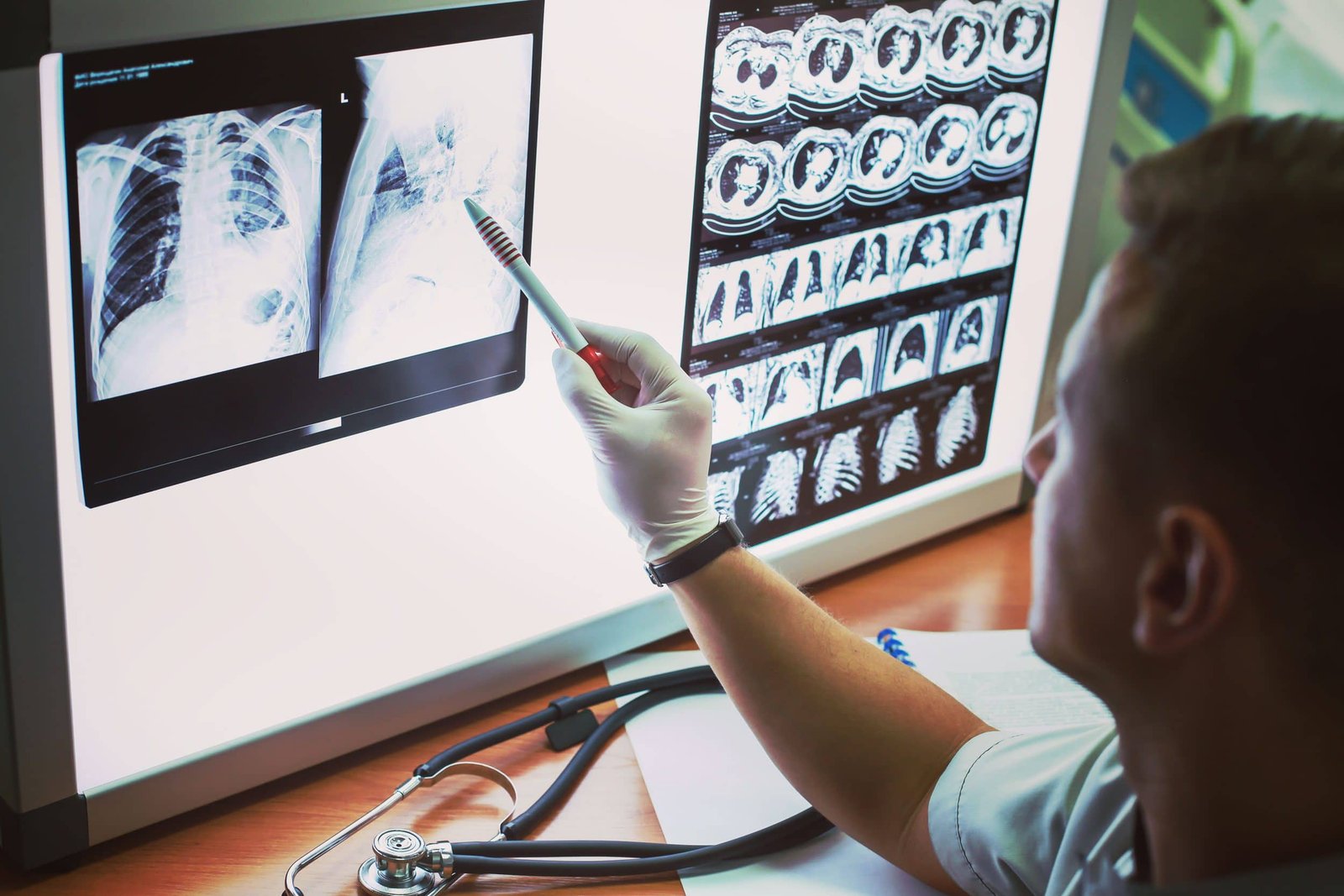
Artificial intelligence (AI) continues to revolutionize medical imaging, specifically in detecting pulmonary embolism. A recent study has revealed that AI matches the accuracy of radiologists in identifying this condition, finding consensus in 98% of cases from a sample of 32,000 CTPA scans. This breakthrough suggests significant implications for the future of medical diagnostics.
The Role of Artificial Intelligence in Pulmonary Embolism Detection
Artificial intelligence has made tremendous strides in the field of medical imaging, especially in diagnosing pulmonary embolism. The integration of AI into radiology has demonstrated not only a high degree of accuracy but also consistency with experienced radiologists. This alignment between AI and human expertise could be pivotal in expediting diagnosis and treatment, thus potentially saving lives.
How Artificial Intelligence Enhances Detection
AI applications in medical diagnostics have advanced considerably, enabling more precise and rapid interpretation of imaging data. For detecting pulmonary embolism, AI systems analyze CTPA scans with algorithms that identify patterns often missed by the human eye. Consequently, AI effectively augments radiologist capabilities, facilitating a more efficient diagnostic process.
Advantages of AI in Pulmonary Embolism Scanning
Artificial intelligence in pulmonary embolism detection offers numerous advantages. Firstly, AI reduces the workload on radiologists by automating the analysis of large volumes of scans, ensuring timely diagnosis. Additionally, AI minimizes human error, enhancing diagnostic accuracy and reliability. As a result, health systems may see improved patient outcomes due to faster and more accurate interventions. The advancements in AI are part of a broader trend in healthcare innovation, similar to insights from virtual clinical trials innovations.
Challenges and Considerations
While AI shows promise, challenges remain. Integration into clinical settings requires rigorous validation and user acceptance. Additionally, ethical considerations such as data privacy and the potential for algorithmic bias must be addressed. Despite these hurdles, the benefits of incorporating AI into medical diagnostics are compelling and may herald a new era of healthcare delivery.
In conclusion, the integration of artificial intelligence into medical imaging for pulmonary embolism detection is a promising development. As technology advances, AI’s role is expected to grow, continuing to support and enhance healthcare processes through improved accuracy and efficiency.
Key Takeaways
- AI matches experienced radiologists in pulmonary embolism detection accuracy.
- The technology reduces radiologists’ workloads by automating scan analysis.
- Despite challenges, AI’s integration into diagnostics holds significant promise.
Medical Disclaimer
This content is informational and does not constitute medical advice.
