

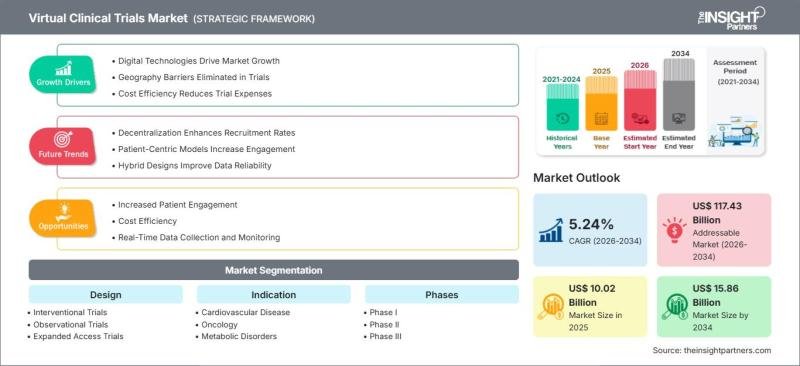
The healthcare industry is witnessing transformative changes as virtual clinical trials innovations continue to gain momentum. These trials, also known as decentralized clinical trials, utilize cutting-edge digital technologies to revolutionize the world of clinical research. By leveraging telemedicine, mobile applications, wearable devices, and remote monitoring tools, virtual clinical trials are redefining traditional methods by eliminating the need for participants to visit physical trial sites. This paradigm shift is significant, offering increased flexibility, wider participant reach, and potential cost reductions.
Virtual Clinical Trials: Bridging the Gap in Healthcare
Virtual clinical trials present a powerful model for overcoming the logistical challenges often associated with traditional clinical trials. By embracing a decentralized structure, these trials enhance participant accessibility and engagement. In rural or remote areas, patients may find it difficult to travel to trial sites, hindering participation. Virtual platforms ensure that geographical barriers no longer limit patient involvement. This inclusivity not only boosts recruitment rates but also promotes diverse data collection, enhancing the robustness of study results.
Innovations Driving the Virtual Clinical Trials Market
Several key innovations fuel the rise of virtual clinical trials. Technologies like telemedicine enable researchers to conduct consultations remotely, radically transforming patient interactions. Moreover, mobile applications streamline data collection, facilitating real-time reporting and analysis. Wearable devices, such as fitness trackers and smartwatches, empower participants to continuously monitor and transmit health data, thus ensuring comprehensive tracking of clinical endpoints.
The Role of Key Players in Shaping Virtual Trials
Industry leaders such as Covance Inc and CRF Health are at the forefront of implementing these innovations. These companies invest heavily in research and development to refine virtual trial methodologies, aiming to establish them as a standard practice. By partnering with tech innovators, they develop user-friendly platforms that enhance patient experience and data reliability. Additionally, their strategic collaborations push for regulatory alignments, ensuring that virtual trials meet the set standards for accuracy and integrity.
The successful integration of virtual clinical trials is indicative of the broader adoption of technology in healthcare. As this trend continues, more stakeholders recognize the potential benefits, ranging from cost efficiency to improved data quality. Consequently, regulatory bodies are adapting their frameworks to accommodate these advancements, demonstrating an evolving recognition of technology’s role in clinical research.
The Future of Healthcare and Virtual Clinical Trials
Looking ahead, virtual clinical trials are poised to continue reshaping the healthcare landscape. As technology progresses, these trials will likely incorporate artificial intelligence and machine learning to further streamline processes and enhance data analytics. Consequently, the healthcare industry can anticipate more robust, swift, and cost-effective drug development cycles.
In conclusion, the ongoing innovations in virtual clinical trials hold the promise of profound changes in healthcare. By eliminating traditional barriers, these trials enhance both the scope and quality of clinical research, promising a future where healthcare becomes even more accessible and patient-centered.
Key Takeaways
- Virtual clinical trials use digital tech to enhance participation and data collection in clinical research.
- Key players like Covance Inc drive innovation, improving trial design and regulatory compliance.
- The future of healthcare depends on expanding and refining virtual clinical trial methodologies.
Medical Disclaimer
This article provides information about virtual clinical trials and is intended for informational purposes only.
