

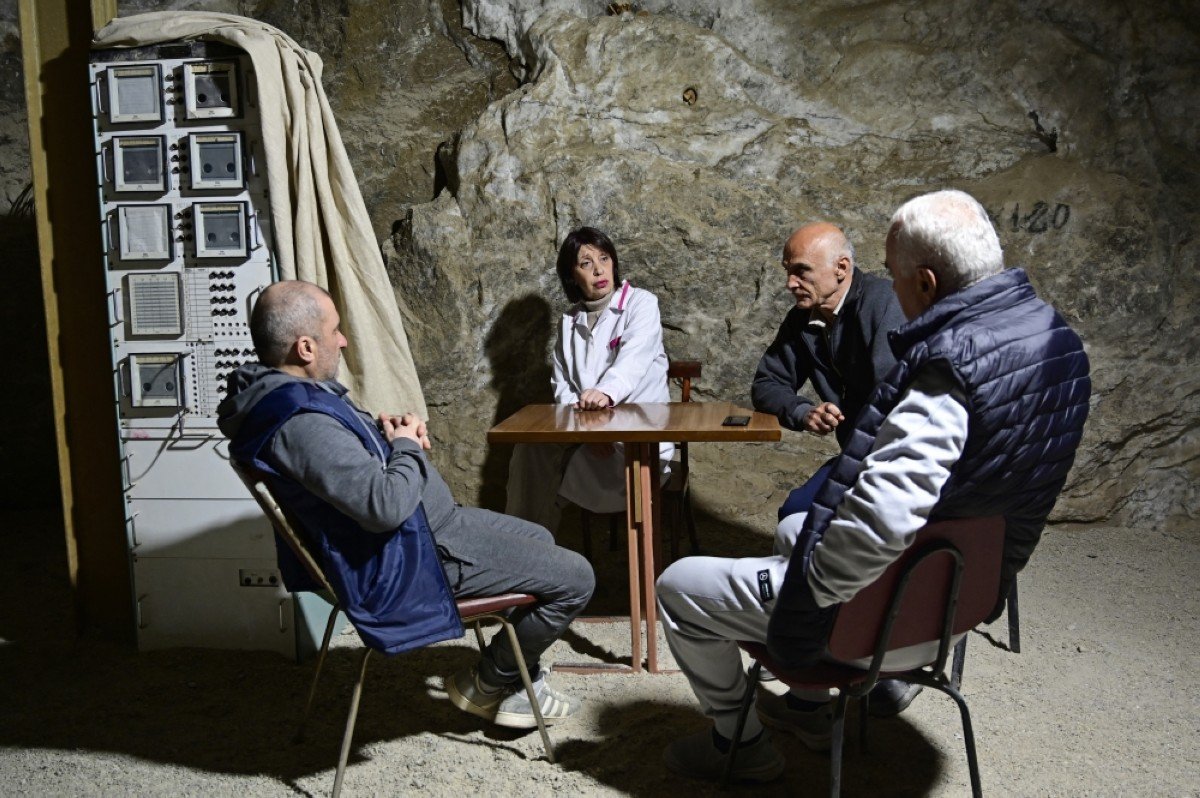
Beneath the bustling streets of Yerevan, Armenia, a unique form of alternative medicine known as Armenian salt cave therapy is garnering attention for its purported health benefits, particularly for asthma sufferers. This intriguing therapy takes place in a subterranean salt mine, where patients descend via a mining cage into a world cloaked in salt and silence, seeking relief from respiratory ailments. The practice has sparked discussion regarding its effectiveness, contributing to the ongoing debate about alternative treatments in medicine.
Exploring Armenian Salt Cave Therapy
Armenian salt cave therapy is both an unconventional and fascinating approach to respiratory health. Patients wear helmets and descend into the caverns, where the air is saturated with saline particles. Proponents argue that this environment can improve lung function and alleviate symptoms associated with asthma and other respiratory conditions. As a result, it’s gaining popularity among those seeking alternatives to traditional medical treatments.
The Benefits of Salt-Enriched Air
The fundamental principle behind salt cave therapy is the inhalation of dry salt aerosol, which some believe can reduce inflammation in the lungs and ease breathing difficulties. In contrast to conventional therapies, this method provides a drug-free option that appeals to individuals with asthma, who often face long-term medication use. However, research into its efficacy remains limited, and experts caution against relying solely on alternative treatments without clinical validation.
Armenian Salt Cave Therapy in the Spotlight
Armenia’s subterranean salt clinics are attracting attention not just from locals but also from the international community interested in integrating alternative healing methods. Enthusiasts of the therapy have shared anecdotal evidence highlighting improvements in their respiratory health. Meanwhile, healthcare professionals urge a cautious approach to such claims, emphasizing the necessity for more rigorous scientific studies to substantiate these benefits fully.
Implications for Alternative Medicine
The rise of Armenian salt cave therapy provides a noteworthy case study in the broader context of alternative medicine’s role in contemporary healthcare. As patients seek holistic and integrated approaches, therapies like this underscore the clash between conventional and alternative medical paradigms. Understanding and researching these methods can offer valuable insights into potential complementary treatments; however, any medical claims should be weighed against established scientific evidence to ensure patient safety. This reflects broader discussions in healthcare, such as the use of Ayurvedic herbs for liver health, which also emphasize rigorous research before embracing alternative treatments.
As interest in alternative treatments continues to grow, evaluating the potential of Armenian salt cave therapy will be crucial. While evidence remains limited at this stage, its popularity signifies a broader trend towards exploring diverse healing practices. Patients and practitioners alike must prioritize evidence-based medicine to ensure effective and safe healthcare solutions.
Key Takeaways
- Armenian salt cave therapy is a niche practice attracting those with respiratory conditions, particularly asthma.
- The therapy’s effectiveness is debated, with limited research backing its health claims.
- Empirical study and evidence-based validation are vital for integrating alternative treatments into mainstream healthcare.
Medical Disclaimer
This article is for informational purposes only and does not constitute medical advice.
