

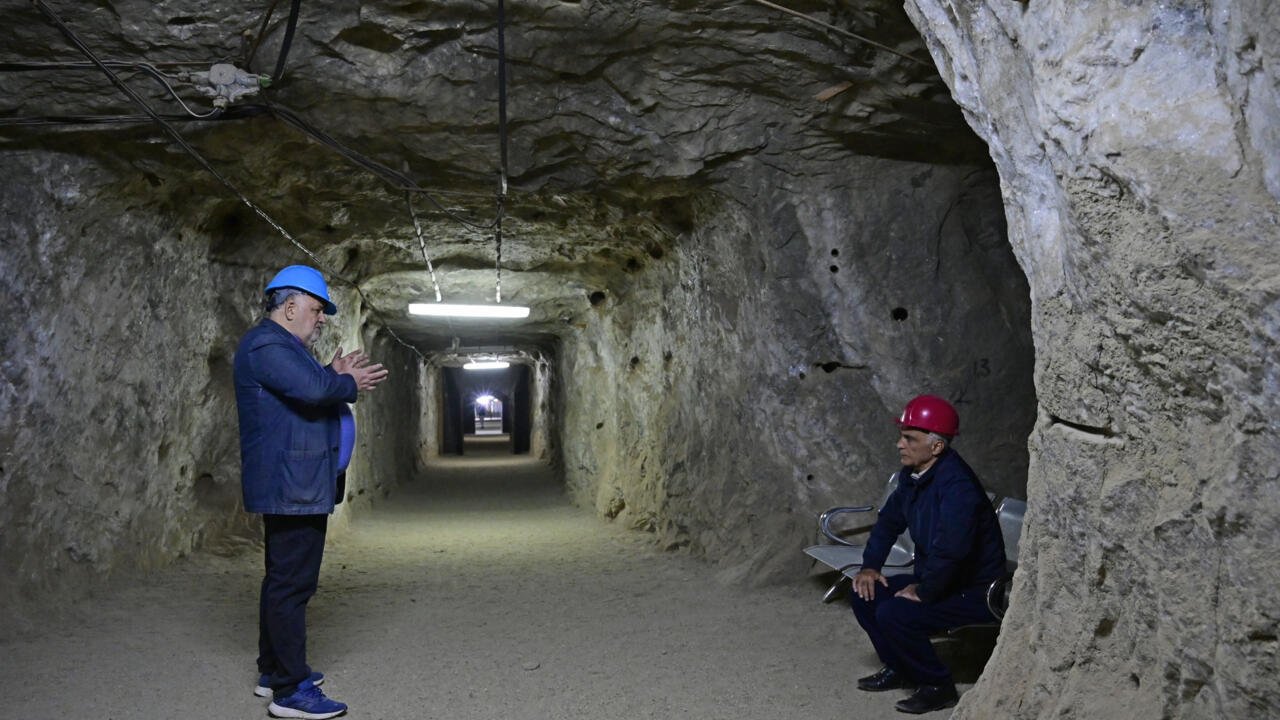
In the depths beneath Armenia’s bustling capital, Yerevan, an intriguing development in alternative medicine has emerged: the Armenian Salt Cave Clinic. This unique facility, housed in the cool, damp confines of an underground salt mine, has become a focal point in the discussion surrounding unconventional medical treatments. It offers relief to asthma patients who descend into its mineral-rich chambers, seeking therapies that challenge traditional medical practices.
Armenian Salt Cave Clinic: A Sanctuary for Respiratory Relief
The clinic’s allure stems from its promise to alleviate respiratory ailments through halotherapy, a form of salt therapy that involves breathing salty air in a controlled environment. Patients, often wearing helmets for safety, are lowered via a mining cage into the subterranean expanse. This descent not only transports them physically but also metaphorically into an alternative realm of healing, one that has sparked considerable debate among medical professionals.
The Rising Debate: Efficacy and Risks
The Armenian Salt Cave Clinic’s practices fuel an ongoing debate about the efficacy and safety of alternative medicine. Advocates argue that the salt-infused climate equates to a natural therapeutic setting, potentially reducing symptoms of asthma and other respiratory issues. Meanwhile, critics maintain that the evidence supporting these claims remains speculative, highlighting the lack of rigorous scientific studies validating such treatments. Consequently, the clinic operates at the intersection of well-being and controversy, reflecting broader tensions in modern medicine.
Focus on Patients: Seeking Alternatives
Patients flock to this Armenian haven, drawn by the anecdotal successes and the allure of natural therapy. Many report notable improvements in breathing and overall comfort, attributing these changes to the healing properties of the salt cave’s microclimate. However, while these personal stories contribute to the clinic’s reputation, they also underline the need for more comprehensive research to substantiate these outcomes definitively. This situation mirrors other discussions in the Integrative Healthcare Innovation Summit, which emphasized the need for reliable evidence in alternative practices.
The Future of the Armenian Salt Cave Clinic
Given its current status, the future of the Armenian Salt Cave Clinic hangs in the balance. As the debate around alternative therapies intensifies, the clinic faces potential challenges in maintaining its operations without more robust scientific endorsement. Regulatory bodies and the medical community continue to scrutinize such establishments, emphasizing the necessity for evidence-based practices in healthcare. Therefore, the clinic’s longevity and acceptance within the medical sector may depend heavily on forthcoming research endeavors.
In conclusion, the Armenian Salt Cave Clinic embodies both the promise and the precariousness of alternative medicine. As society grapples with integrating holistic practices alongside established medical treatments, facilities like this one highlight the dynamic tensions and the potential synergies in pursuit of health and wellness.
Key Takeaways
- Armenian Salt Cave Clinic offers halotherapy for respiratory relief, sparking a debate on its efficacy.
- Patients report anecdotal success, yet evidence remains limited without extensive scientific support.
- The clinic’s future may hinge on research validating its therapeutic claims within the medical community.
Medical Disclaimer
This content is informational in nature and should not be considered medical advice.
