

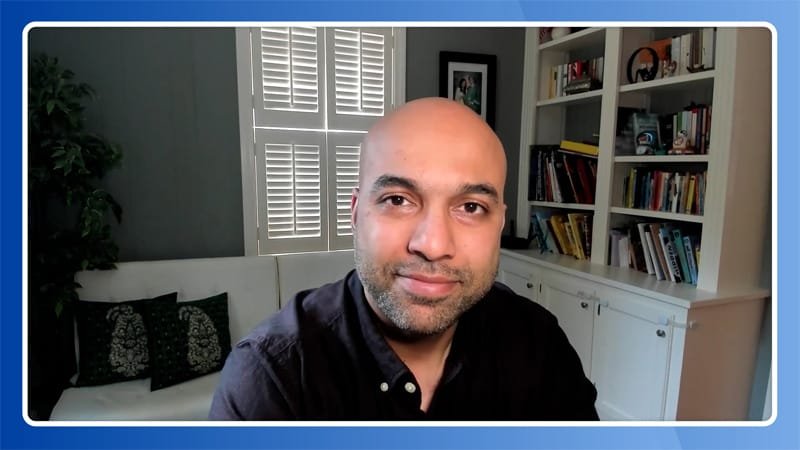
Cardiologist Haider Warraich, MD, learned invaluable lessons about patient trust-building while at the VA. His insights as a medical professional shed light on why fostering trust is crucial, particularly in the veteran healthcare system. As healthcare shifts toward a more patient-centered approach, understanding these dynamics becomes essential for enhanced patient care and outcomes.
The Art of Patient Trust Building at the VA
At the Veterans Affairs (VA) hospitals, earning patient trust goes beyond technical skills; it demands empathy and effective communication. Dr. Warraich observed that veterans value clinicians who genuinely understand their experiences and struggles. This realization underscores the importance of building rapport with patients, an aspect vital for humanizing healthcare and ensuring collaborative decision-making.
Empathy: The Cornerstone of Trust
Empathy emerged as crucial in the VA’s trust-building process. Veterans often grapple with unique health challenges and histories, which makes personalized care indispensable. According to Dr. Warraich, demonstrating understanding and compassion can significantly enhance the therapeutic relationship. Consequently, healthcare providers should prioritize listening actively to their patients. This approach aligns with the principles seen in other healthcare advances, such as the 3D printed tissue engineering.
Communication: A Key Element in Patient Trust Building VA
Clear and open communication plays a pivotal role in patient trust-building at VA facilities. Dr. Warraich noted that explaining complex medical scenarios in accessible language can make patients feel respected and involved in their care. Furthermore, effective communication helps to prevent misunderstandings, thereby fostering a more trustworthy healthcare environment.
Patient Involvement in Healthcare Decisions
Dr. Warraich emphasizes involving patients in their healthcare decisions as a strategy for building trust. By encouraging veterans to express their preferences and concerns, providers empower them, which not only aligns treatment plans with patient values but also improves adherence to treatment. As a result, patients are more likely to actively participate in their health management.
Incorporating family members into healthcare discussions also aids in decision-making and trust-building. Families often provide essential support and understand the patient’s needs deeply. Therefore, their involvement can bridge gaps between patients and clinicians, fostering a holistic and trust-enriched healthcare experience.
Key Takeaways
- Empathy establishes a strong foundation for trust between veterans and healthcare providers.
- Clear communication ensures veterans feel informed and respected.
- Involving patients in decisions aligns care with their preferences and improves adherence.
Medical Disclaimer
This article offers information for educational purposes and shouldn’t be considered as medical advice.
