

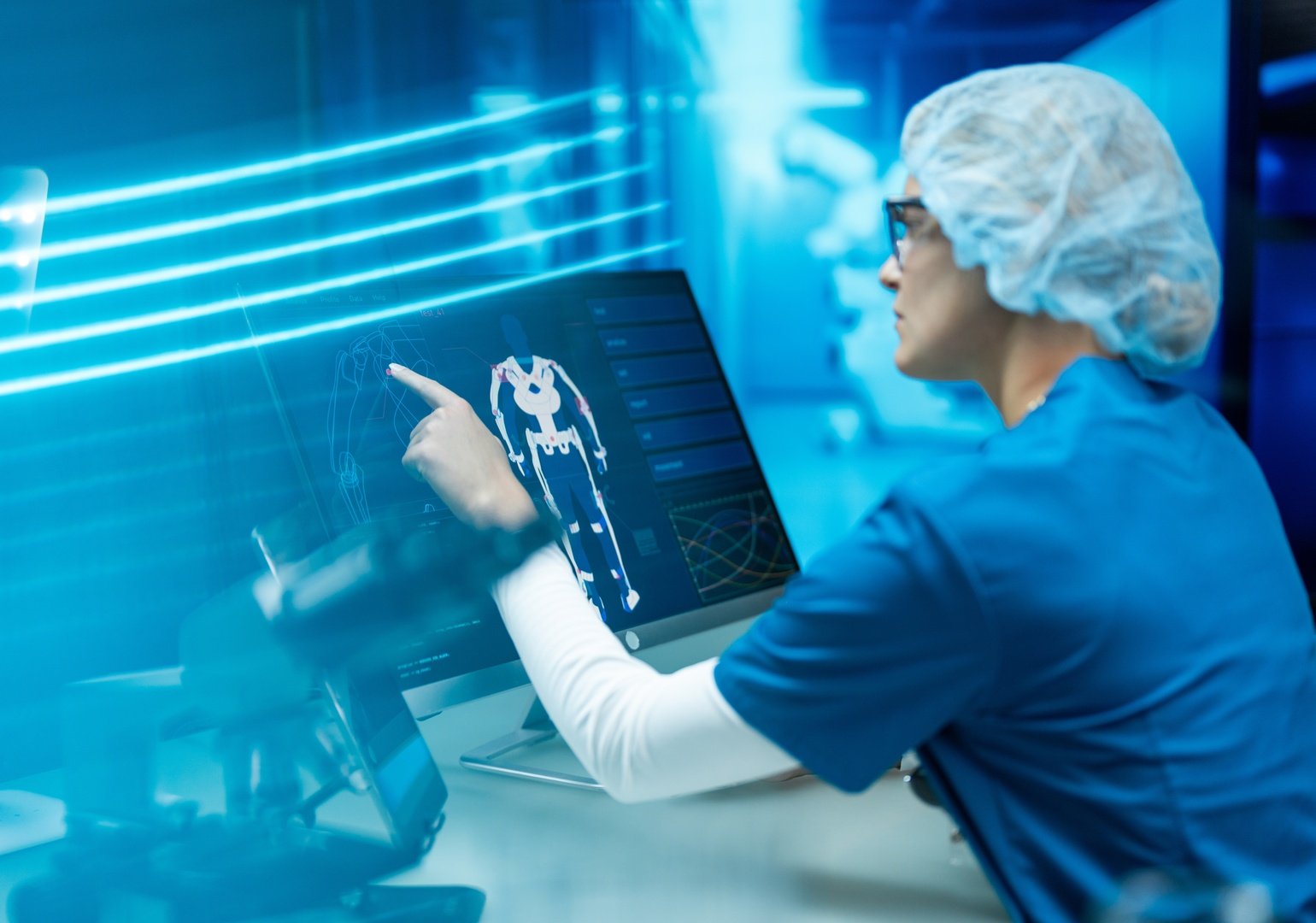
In the rapidly evolving field of biomedical engineering, 3D printed tissue engineering stands out as a transformative innovation poised to revolutionize healthcare. This groundbreaking technology, which involves creating biological structures using additive manufacturing, promises to address critical challenges in medicine. As researchers advance these innovations, they unlock potential avenues for improvements in patient treatment and recovery, setting a new standard for personalized medicine.
3D Printed Tissue Engineering: A New Frontier
3D printed tissue engineering has already made significant strides in healthcare, offering solutions that traditional methods cannot. Researchers are developing tissues and organs with remarkable precision, which allows for superior compatibility with human physiology. This precision ensures that transplanted tissues exhibit a better immune response, reducing the risks associated with organ rejection.
Applications in Personalized Medicine
By harnessing 3D printed tissue engineering, the medical community moves closer to fully realizing personalized medicine. With bespoke tissue models, doctors can tailor treatments to the individual needs of patients. Additionally, the ability to print tissues that mimic human organ structures allows researchers to test drug therapies more reliably, enhancing the safety and efficacy of new medications.
Role in Tissue Repair and Regeneration
The potential for 3D printed tissues extends beyond transplantation. They also play a critical role in tissue repair and regeneration. Researchers have engineered scaffolds that facilitate the natural healing processes of damaged tissues. As a result, patients experience faster recovery times and improved outcomes. Furthermore, these advancements minimize the need for invasive surgical interventions.
Challenges and Future Prospects
Despite its promising prospects, 3D printed tissue engineering faces several challenges that require attention. Scalability remains a primary concern; ensuring consistent quality and efficiency in larger batches of tissue production is crucial for widespread adoption. Meanwhile, ethical considerations surrounding the creation of biological materials warrant continuous dialogue. However, as technological expertise deepens, stakeholders remain optimistic about the potential benefits this innovation offers. This alignment with ongoing advancements, such as the digital innovation in pharmacy information systems, exemplifies a broader dedication to improving healthcare outcomes.
Ultimately, 3D printed tissue engineering exemplifies the synergy between technology and biology, pushing the envelope of what modern medicine can achieve.
Key Takeaways
- 3D printed tissue engineering offers precise and compatible solutions for organ transplantation.
- It plays a pivotal role in advancing personalized medicine and drug development.
- Challenges such as scalability and ethical considerations demand ongoing attention.
Medical Disclaimer
This content is for informational purposes only and is not a substitute for professional medical advice.
