

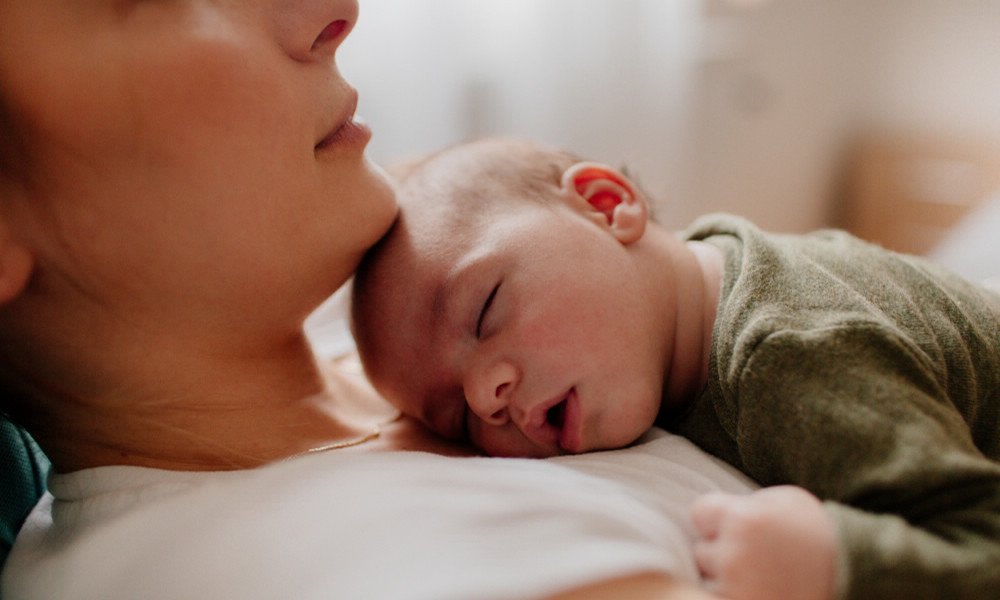
Challenging cry-it-out sleep training is gaining attention as new research from James Madison University questions the efficacy of this widely practiced method. Researchers scrutinized the science behind allowing infants to “cry it out,” a strategy where parents let their babies cry themselves to sleep. This investigation into the emotional and psychological effects of unattended infant crying brings important insights to the forefront of parenting choices in the U.S.
Challenging Cry It Out: Rethinking Common Beliefs
Many parents utilize cry-it-out methods in hopes of fostering better sleep habits in their infants. However, researchers at JMU found that this approach might not be as beneficial as once believed. Their findings suggest potential emotional stress for infants left to cry without parental comfort, prompting a reevaluation of traditional sleep training practices.
Emerging Concerns About Cry It Out
According to the study, crying without response may cause increased stress levels in infants. This stress can, potentially, affect their emotional development. Parents often assume crying is simply a part of the sleep training process, but the JMU study highlights how unattended crying might disrupt infant-parent bonding.
Scientific Community’s Response
The research community has responded with a call for more comprehensive studies to further investigate these findings. Notably, child psychologists emphasize the need for balancing infant sleep training with emotional support. Some experts advocate for more sensitive parenting approaches that focus on attending to infant needs promptly and consistently.
Practical Implications for Parents
For parents considering cry-it-out methods, these findings could offer a compelling reason to explore alternative sleep training techniques. Options that integrate soothing rituals and responsive parenting might better align with emerging evidence, potentially fostering healthier sleep and emotional balance for their infants.
In light of this new research, parents and caregivers might wonder about the best approach to infant sleep training. While further studies are needed to establish definitive conclusions, these insights contribute to a broader understanding of nurturing practices that prioritize both physical and emotional well-being.
Key Takeaways
- New research challenges the cry-it-out method’s benefits for infant emotional health.
- Unattended crying may increase stress, impacting emotional development and parent-child bonding.
- Experts suggest exploring alternative techniques emphasizing responsiveness and comfort.
Medical Disclaimer
This article provides information for educational purposes only and should not be considered medical advice.
