

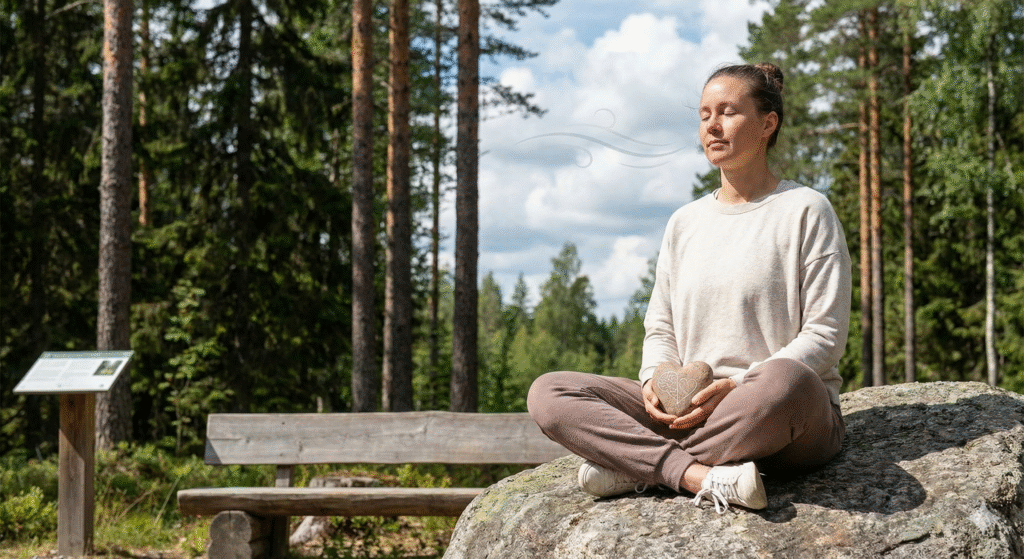
The rising effects of climate change are not just altering our environment. They’re also affecting our emotional well-being. If you’ve felt overwhelmed, worried, or even guilty about environmental decay, you’re not alone. Many are actively seeking effective coping strategies for climate anxiety impact on mental health. Understanding how to manage these feelings in the face of constant environmental news is an important step toward emotional resilience and balance.
How the Climate Crisis Affects Mental Health
As extreme weather events become more frequent and headlines focus on melting glaciers, droughts, and wildfires, the psychological toll increases. This is especially true for young people, scientists, and individuals in vulnerable communities. The fear of the unknown future and a sense of helplessness can create high levels of anxiety. This condition, often called climate anxiety or eco-anxiety, can lead to chronic stress, sleep problems, and reduced quality of life.
While it’s completely natural to care deeply about the environment, it’s equally important to protect your mental health. By developing thoughtful coping techniques, it’s possible to stay informed without feeling emotionally depleted.
Simple Coping Strategies for Climate Anxiety Impact
Fortunately, there are several practical ways to manage the emotional side of climate change awareness. These methods help shift negative emotions into action or calm.
- Stay Informed with Limits: Choose trustworthy sources for climate news, but avoid overexposure. Set a time limit on your daily news intake.
- Focus on What You Can Control: Reduce energy use, support local agriculture, or participate in community cleanups. Even small efforts can bring a sense of empowerment.
- Talk About It: When you share your feelings with others, especially those who understand, it often lightens the emotional load. Community is a strong buffer against anxiety.
- Practice Mindfulness or Journaling: Mindful breathing, yoga, or expressive writing help calm racing thoughts and reduce stress. These techniques are similar to those recommended in how to adapt when life strikes with a life-threatening disease, where emotional regulation is central to coping.
- Connect with Nature: Walking in the woods, visiting a local park, or gardening can restore balance and remind you of nature’s resilience.
Why Addressing Climate Anxiety Matters
Unchecked worry can start to affect physical health. Symptoms might include muscle tension, digestive problems, headaches, or fatigue. Mentally, anxiety related to climate change sometimes looks like excessive guilt or dread about the future. For young people, it may lead to hopelessness or a feeling of disconnection from life goals.
By learning to manage climate anxiety early, you create a stronger foundation for long-term emotional health. You also improve your ability to contribute meaningfully to environmental action without burning out. The mind-body connection plays a vital role, echoing lessons from eczema confidence building tips for adults, where emotional resilience is key to improved well-being.
When to Seek Additional Support
Sometimes, anxiety can become overwhelming despite best efforts. If you find your climate concerns are interfering with work, relationships, or your overall well-being, talking with a mental health professional can help. Look for therapists who understand environmental grief or specialize in eco-psychology. There’s no shame in seeking support. In fact, it’s one of the most courageous steps you can take.
Building a Healthier Relationship with Climate Concerns
The goal isn’t to ignore climate change. Instead, it’s about maintaining hope and taking balanced action while caring for your mental state. When you use coping strategies for climate anxiety impact consistently, you create space for emotional recovery and resilience.
Start with small, manageable changes. Talk to others about how they cope. Choose actions that align with your values. And remember, caring for yourself is not selfish—it’s necessary. Your mental well-being is a vital part of the climate solution.
