

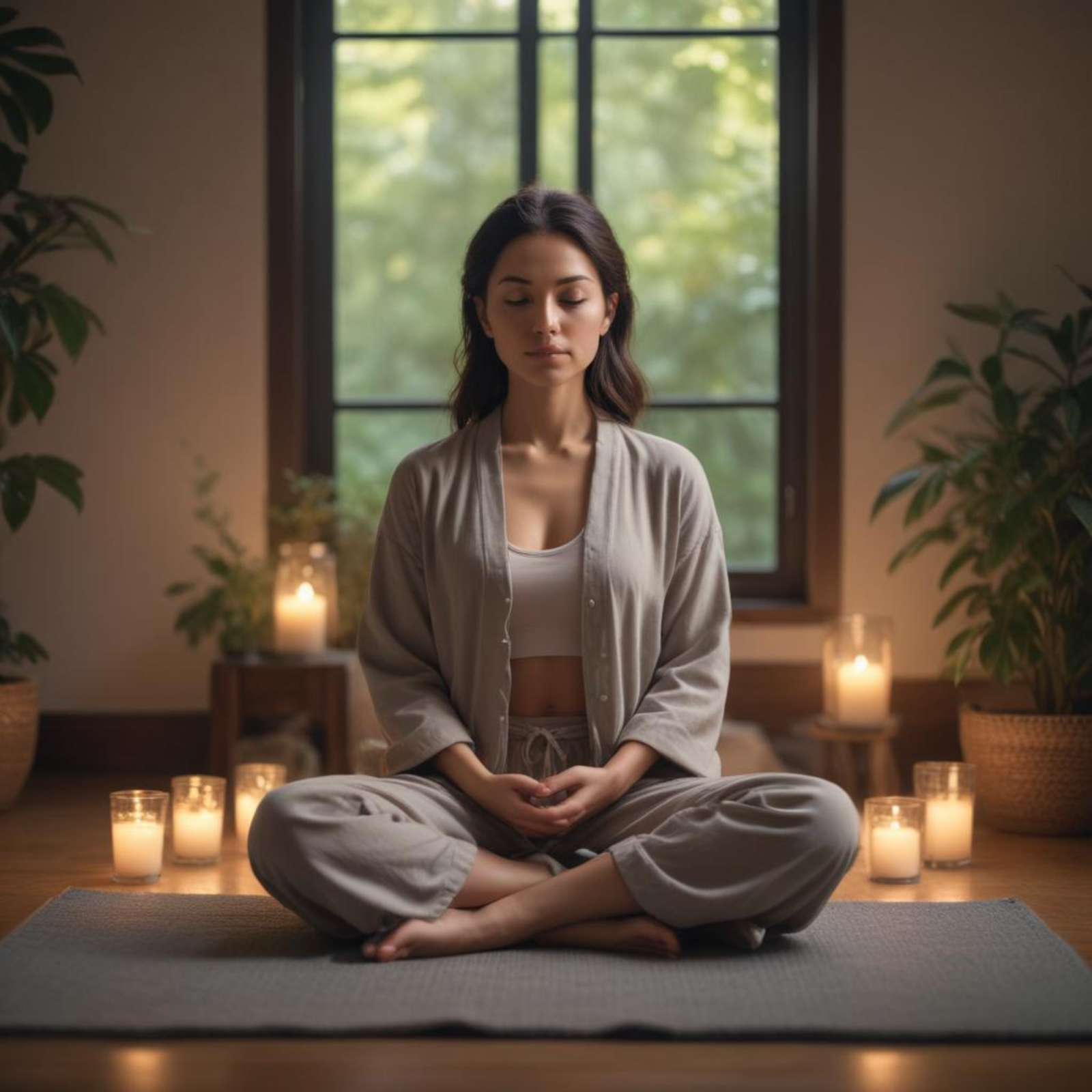
The last few years have tested our mental strength in many ways. With so many uncertain changes, even everyday routines can feel overwhelming. That’s where mindfulness strategies for pandemic-induced anxiety can make a real difference. Learning to calm the mind and stay anchored in the present can ease stress, improve focus, and support emotional well-being.
Why Mindfulness Helps with Pandemic-Related Anxiety
During times of crisis, our nervous systems stay on high alert. We often find ourselves caught in cycles of “what if” thinking that increase our emotional strain. Mindfulness gently shifts our attention away from these spiraling thoughts and roots us in the here and now. This can lower cortisol levels, reduce physical symptoms of stress, and create a greater sense of control.
Mindfulness doesn’t need to be complicated. Even a few minutes a day can have a noticeable impact. The goal isn’t to shut your thoughts off, but to observe them without judgment. As you do, your brain gradually learns to break the anxiety loop.
Proven Mindfulness Strategies for Pandemic-Induced Anxiety
Below are some effective techniques you can start using today. Each one supports a calmer mind and steadier emotions.
- Guided breathing: Focusing on deep, steady breaths calms the nervous system and improves oxygen flow. Try inhaling for four counts, holding for four, and exhaling for six.
- Body scan meditation: This involves gently bringing your attention to different parts of your body. It helps release tension you may not realize you’re holding.
- 5-4-3-2-1 technique: This simple grounding tool shifts your focus away from anxious thoughts by noticing five things you can see, four you can feel, three you can hear, two you can smell, and one you can taste.
- Mindful walking: Taking a slow, quiet walk while noticing each step and your surroundings connects you with your body and environment.
- Limiting media intake: While staying informed is important, too much news can increase anxiety. Set boundaries for how and when you consume information.
How to Start a Mindfulness Habit
Starting something new can feel intimidating, especially when you’re already anxious. The key is to begin small. Try setting aside five minutes each morning or evening. You can sit quietly, focus on your breath, and gently bring your attention back whenever your mind drifts.
Apps like Headspace and Calm offer guided meditations that make the process easier. But you don’t need any tools to get started. Consistency is more helpful than duration. Even short, regular sessions can train your brain to respond to stress in healthier ways.
Managing Expectations and Noticing Progress
Mindfulness is not a quick fix. However, over time, you may notice subtle shifts—less racing thoughts, easier sleep, or a calmer response to daily stressors. Everyone’s journey looks different, so be patient with yourself. If a particular technique doesn’t work for you, that’s okay. Keep exploring until you find one that resonates.
If your anxiety feels unmanageable or affects your daily life, consider speaking with a mental health professional. Mindfulness can be a valuable tool, but it’s one part of a larger support system.
Making Mindfulness a Resilient Lifestyle Practice
Incorporating mindfulness into your daily routine builds long-term resilience. It doesn’t require hours or special equipment. What it does require is your attention and your willingness to slow down.
- Create a routine: Tie your mindfulness practice to something you already do daily, like brushing your teeth or making coffee.
- Track your mood: Journaling how you feel before and after can help you see your progress over time.
- Reconnect throughout the day: Use short pauses to check in with your body and breath during meals, breaks, and transitions.
Mindfulness strategies for pandemic-induced anxiety bring more than just temporary relief. They help you build mental habits that support clarity and adaptability. In a time when the future can feel uncertain, learning to return to the present is incredibly grounding. With regular practice, you may find a growing sense of peace—even amid life’s challenges.
