

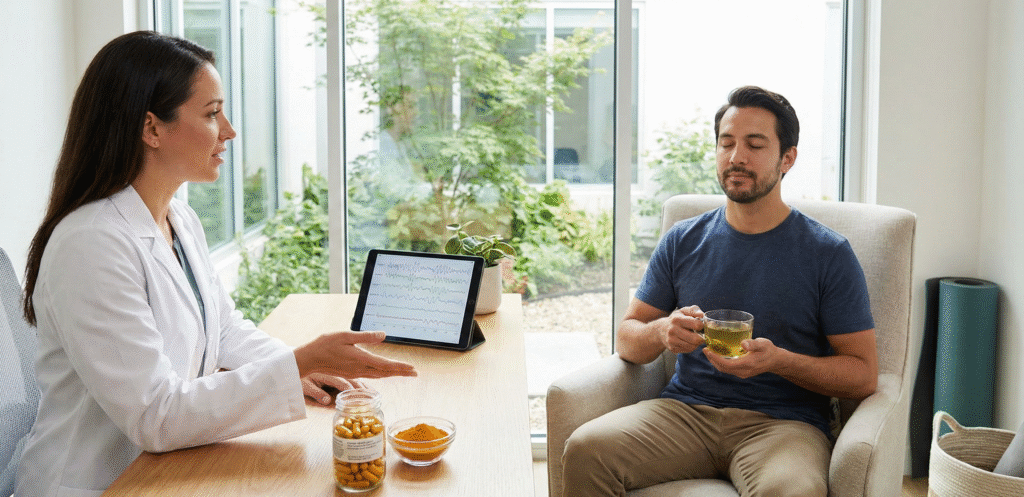
Curcumin Mindfulness Interaction Therapy is an emerging integrative approach that combines the neurological benefits of curcumin with the psychological advantages of mindfulness-based practices. While both components have individually drawn attention in research circles, this combined method offers a potentially synergistic way to support mental wellness through both biological and cognitive mechanisms.
How Curcumin Mindfulness Interaction Therapy May Support Mental Health
Curcumin is the primary active compound in turmeric (Curcuma longa) and is known for its anti-inflammatory and antioxidant properties. Several peer-reviewed studies have explored its potential role in managing symptoms of depression, anxiety, and cognitive decline. For example, a randomized controlled trial published in the journal Phytotherapy Research in 2014 found that curcumin had statistically significant antidepressant effects compared with placebo in individuals with major depressive disorder. Although further studies are needed to confirm these findings, early evidence suggests curcumin may influence mood-regulating neurotransmitters and reduce neuroinflammation.
Mindfulness-based interventions, such as mindfulness-based cognitive therapy (MBCT) and mindfulness-based stress reduction (MBSR), have been extensively studied over the past two decades. Institutions like the National Institutes of Health (NIH) and the American Psychological Association recognize their effectiveness in reducing symptoms of stress, anxiety, and depression. These practices help individuals become more aware of their thoughts and emotions without judgment, aiding in emotional regulation and resilience.
Curcumin Mindfulness Interaction Therapy proposes combining these two evidence-informed strategies. While more studies are needed to fully validate this integrative approach, the biological mechanisms of curcumin may complement the psychological tools of mindfulness by addressing both the body and the mind in tandem.
Scientific Foundations Behind Curcumin Mindfulness Interaction Therapy
This therapy draws on interdisciplinary research, involving fields such as psychoneuroimmunology, nutrition, and behavioral health. Emerging models suggest that mental health is influenced by both psychological stress and systemic inflammation. Curcumin’s potential to reduce pro-inflammatory cytokines such as IL-6 and TNF-α, as identified in a meta-analysis published in the journal Critical Reviews in Food Science and Nutrition, may offer a meaningful biochemical backdrop to the benefits of mindfulness training.
Moreover, mindfulness practices have been shown to positively affect the hypothalamic-pituitary-adrenal (HPA) axis, a central stress-response system. When both curcumin supplementation and mindfulness exercises are used intentionally, they may create a more supportive internal environment for emotional healing and cognitive clarity. This aligns with mindfulness strategies for pandemic-induced anxiety relief, which also recommend pairing mental awareness techniques with lifestyle interventions to manage psychological distress.
It’s important to note that research into the combined use of curcumin and mindfulness is still in its infancy. While both strategies individually have shown promise, integrated clinical studies specifically assessing Curcumin Mindfulness Interaction Therapy are limited. As such, current understanding is largely based on extrapolations from separate studies.
Practical Considerations and Safety Guidance
If you’re considering Curcumin Mindfulness Interaction Therapy, thoughtful planning and professional oversight are essential. Here are steps and considerations to keep in mind:
- Consult a healthcare provider: Since curcumin can interact with medications such as blood thinners or diabetes drugs, medical guidance is key before starting any supplement regimen.
- Choose high-quality curcumin: Curcumin has poor natural bioavailability, so look for formulations that include piperine (black pepper extract) or use nanoparticle delivery systems to enhance absorption.
- Integrate mindfulness gradually: Start with short, guided sessions of 5 to 10 minutes daily using techniques like body scans, breath awareness, or loving-kindness meditation.
- Track your experience: Keeping a journal can help identify patterns in mood, sleep, and cognitive clarity as you combine these approaches.
- Be patient: Both curcumin and mindfulness practices often require consistent use over weeks or months to yield noticeable benefits.
Mindfulness is generally considered safe for most individuals. However, for those with trauma histories or certain psychiatric conditions, it’s advisable to engage in mindfulness sessions under the guidance of a trained therapist.
What the Future Holds for Curcumin and Mindfulness Synergy
The holistic health community is increasingly interested in personalized integrative protocols. Curcumin Mindfulness Interaction Therapy exemplifies this trend by addressing mental health at both chemical and cognitive levels. While clinical trials are still limited, future research may validate its application as a complementary strategy alongside conventional treatments for depression, anxiety, and stress-related conditions.
Institutions like the University of California San Diego’s Center for Integrative Medicine and the Cleveland Clinic are already exploring bio-psycho-spiritual frameworks in healthcare. Additionally, wellness centers offering the best holistic retreats for remote work revival have begun integrating mindfulness and nutritional support as part of digital detox recovery strategies. As precision medicine advances, approaches like this may play a role in tailoring mental health care based on individual biochemistry, lifestyles, and emotional needs.
Until more data becomes available, anyone considering this method should view it as a supplement—not a substitute—for established care. Integrating nutritional compounds like curcumin with psychological techniques like mindfulness can be beneficial, but they work best when personalized and grounded in evidence-based practice.
This content is for general informational purposes only. Please seek guidance from a qualified healthcare professional regarding your personal health concerns.
