

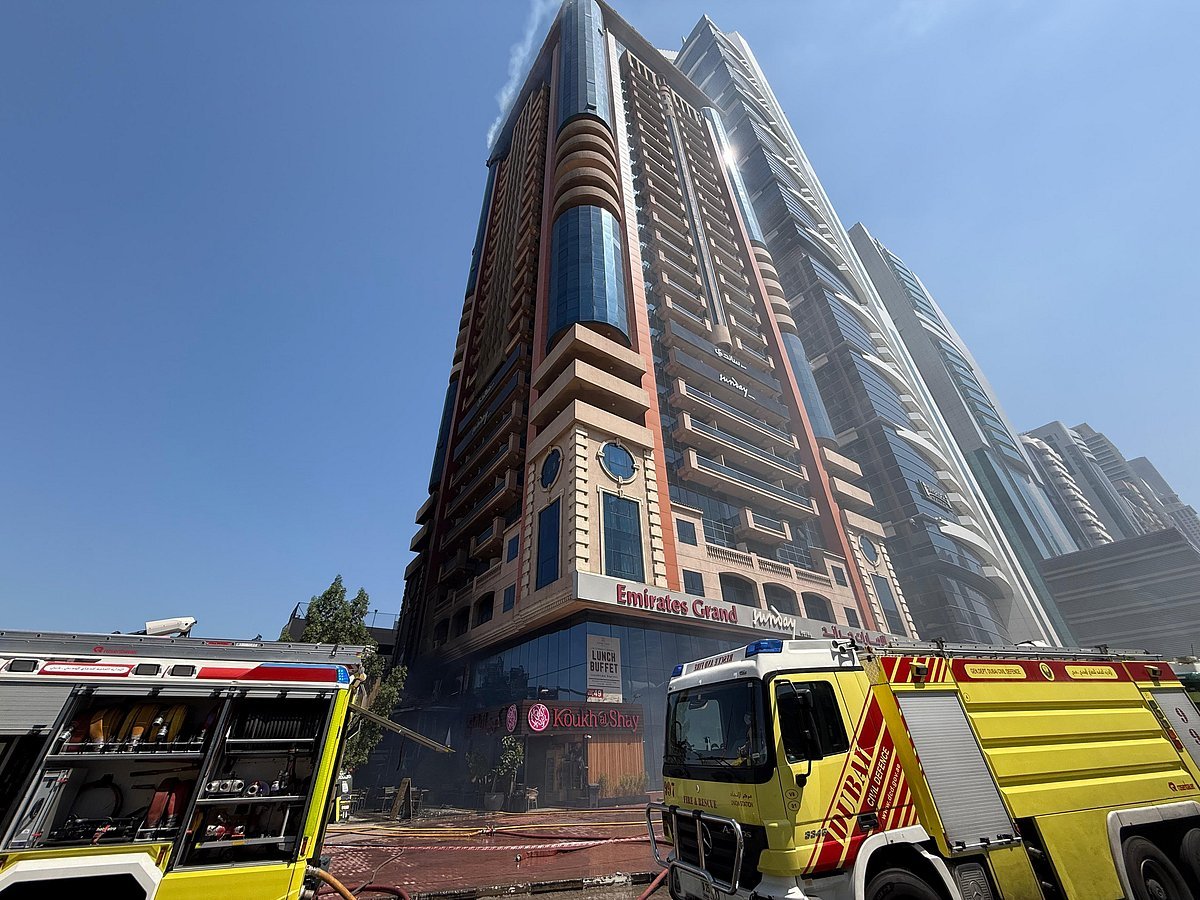
A fire erupted at a popular restaurant on Dubai’s Sheikh Zayed Road, prompting a rapid response from Dubai Civil Defence. The medium-scale blaze was brought under control within three hours, underscoring the efficiency of the city’s emergency services. This incident, however, highlights the significance of systematic fire response strategies in busy urban areas prone to such emergencies.
The fire, which occurred early in the morning, posed a significant threat due to the restaurant’s location on a high-traffic thoroughfare. Consequently, the swift containment prevented potential disruptions in one of the city’s busiest districts. According to Aghaddir Ali from Gulf News, no injuries were reported in this incident, demonstrating effective evacuation and safety protocols.
Dubai Restaurant Fire Response Demonstrates Preparedness
Dubai Civil Defence deployed a specialized team to manage the fire, showcasing their readiness for urban emergencies. As a result, they efficiently restricted the fire’s spread, ensuring it did not escalate to a more severe disaster. The quick action also reflects the importance of continuous training and preparedness in handling similar incidents.
Immediate Actions Curtail Potential Damage
Upon receiving the alert, emergency units swiftly arrived at the scene, immediately beginning containment efforts. Due to their prompt intervention, the surrounding buildings remained unaffected, minimizing both property damage and potential risk to civilians. This proactive approach is crucial in urban firefighting strategies, especially in a city like Dubai, where high-rise buildings are prevalent.
Safety Protocols and Public Cooperation
Public cooperation played a vital role in the fire response. Authorities attributed the absence of injuries to the restaurant’s adherence to safety regulations and the quick evacuation of patrons and staff. Similarly, the public’s compliance with emergency instructions facilitated the work of the civil defence teams, highlighting the collective effort required in crisis management.
The incident will likely serve as a catalyst for reviewing and potentially updating fire safety protocols across the city. Authorities may now seek to enhance preventive measures and increase public awareness about fire safety. Continued vigilance and improvement in emergency response frameworks remain essential to maintaining safety in densely populated districts.
Ultimately, this incident emphasizes the need for ongoing readiness to address urban fires efficiently. Stakeholders must engage in continuous evaluation and enhancement of safety measures to sustain the admirable response exhibited during this event.
