Close Menu

    Subscribe to Updates

    Get the latest creative news from medicalintelligence about art, design and business

    What's Hot

    UAE xenotransplantation regulations: navigating the future

    July 20, 2026

    Flexible working support for women researchers

    July 20, 2026

    Ai workflow automation for physicians: transforming healthcare

    July 20, 2026
    Facebook X (Twitter) Instagram
    medicalintelligence
    Facebook X (Twitter) Instagram WhatsApp
    SUBSCRIBE
    • Medical Research & Evidence
      • Clinical Trials & Studies
      • Research Analysis
      • Systematic Reviews & Evidence Summaries
    • Clinical Insights
      • AI in Clinical Practice
      • Specialist Perspectives & Case-Based Insights
    • Neuroscience, Psychology & Mental Health
      • Mental Health Science
      • Neurodevelopment & Brain Health
      • Psychology & Behaviour
    • Womenโ€™s, Reproductive & Child Health
      • Child Development & Parenting Science
      • Pregnancy & Reproductive Health
      • Womenโ€™s Health & Hormones
    • Nutrition, Metabolism & Lifestyle Medicine
      • Evidence-Based Nutrition
      • Fitness & Exercise
    • Dermatology, Aesthetic & Reconstructive Medicine
      • Aesthetic & Cosmetic Procedures
      • Clinical Dermatology
      • Reconstructive & Surgical Care
    • Integrative & Alternative Medicine
      • Ayurveda & Traditional Medicine
      • Evidence & Safety in Alternative Care
      • Integrative Therapies
    • UAE & GCC Healthcare
      • Healthcare Events & Conferences
      • Healthcare News
      • Policy & Regulation
    medicalintelligence
    Home ยป Fast walking prevents cognitive decline in aging
    Fitness & Exercise

    Fast walking prevents cognitive decline in aging

    Medical Intelligence NewsBy Medical Intelligence NewsJuly 19, 2026No Comments3 Mins Read
    Share
    Facebook Twitter LinkedIn Pinterest Email

    Fast walking prevents cognitive decline in aging

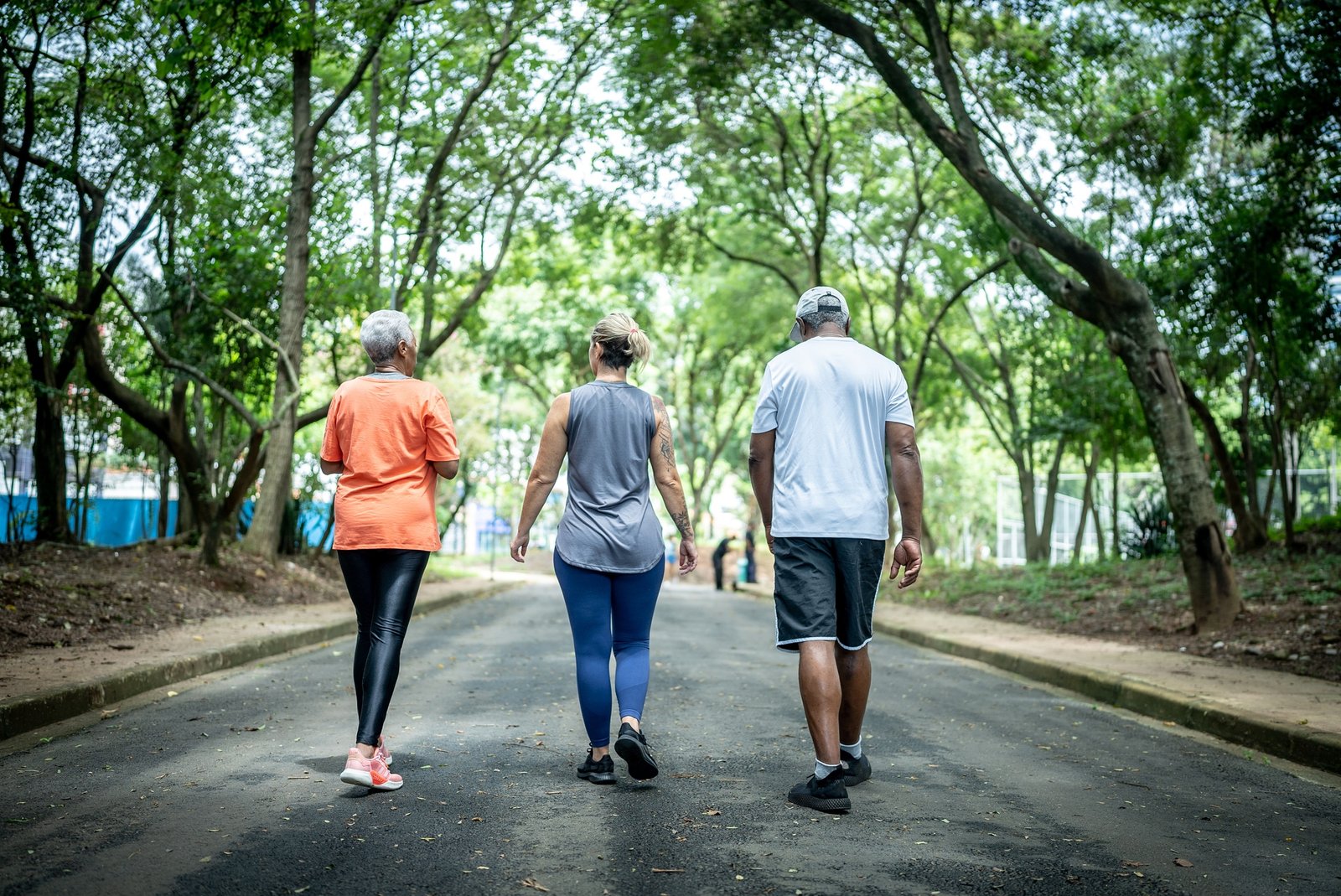
    Fast walkers in their 80s appear to hold a significant advantage against cognitive decline, with their brisk pace potentially reducing this risk by half, according to recent findings. This connection underscores the profound link between physical activity and brain health, offering hope and actionable strategies for aging populations aiming to preserve mental acuity.

    Fast Walking Prevent Cognitive Decline: Key Findings

    The study, focusing on individuals aged 80 and older, highlighted the remarkable benefits of maintaining a faster walking pace. Researchers observed that those with an exceptional gait had about a 50% lower risk of cognitive decline. This substantial reduction highlights the importance of integrating physical exercise into daily routines, especially as people advance into their later years. Learn more about effective strategies in the elderly population at our resource on understanding cognitive support ingredients in NeuroMax.

    Importance of Physical Activity

    Regular physical activity, such as fast walking, has been consistently associated with numerous health benefits, including improved cardiovascular health and increased longevity. Crucially, it now appears that maintaining an active lifestyle can also play a pivotal role in brain health. Furthermore, the ease and accessibility of walking make it a practical option for many older adults wishing to enhance their cognitive resilience against age-related decline.

    Implications of Fast Walking on Brain Health

    This research indicates that the pace at which older individuals walk may serve as a useful predictor of cognitive health. Researchers emphasized that walking speed, a reflection of physical conditioning, can be easily assessed and addressed within older populations. Consequently, strategies encouraging brisk walking could be a simple yet effective public health measure to combat cognitive decline.

    Additionally, walking not only supports brain health but also fosters social connectivity and reduces feelings of isolation, which independently contribute to mental well-being. For more insights, explore our article on exploring the impact of environmental factors on health.

    Adopting Fast Walking in Daily Life

    To incorporate fast walking into daily routines, older individuals might consider combining it with other enjoyable activities, such as walking in groups or joining community fitness programs. Strengthening community infrastructure to support safe and accessible walking spaces can further promote this healthy habit. Meanwhile, caregivers and healthcare providers should encourage regular assessment of walking speed, providing guidance on how to safely increase pace and endurance over time.

    As public awareness of cognitive health grows, it remains essential for ongoing research to explore the underlying mechanisms through which physical activity, such as fast walking, impacts cognitive function. Understanding these processes can guide more nuanced interventions and support the overall well-being of elderly populations worldwide.

    Key Takeaways

    • Fast walking may reduce cognitive decline risk by up to 50% in individuals aged 80 and above.
    • Physical activity like walking is essential for maintaining both physical and brain health.
    • Promoting walking as a public health measure could significantly impact aging populations.

    Medical Disclaimer

    This article provides information for educational purposes only and does not constitute medical advice.

    Medical Intelligence News

    Related Posts

    Rest pause training benefits: boost your workout results

    July 20, 2026

    Strength training longevity benefits you need to know

    July 17, 2026

    Physical fitness motor competency for students revealed

    July 15, 2026
    Leave A Reply Cancel Reply

    Don't Miss
    Policy & Regulation

    UAE xenotransplantation regulations: navigating the future

    By Medical Intelligence NewsJuly 20, 20260

    The United Arab Emirates has initiated regulations for xenotransplantation, a groundbreaking medical field that involves…

    Flexible working support for women researchers

    July 20, 2026

    Ai workflow automation for physicians: transforming healthcare

    July 20, 2026

    Exploring opioid alternatives for acute pain relief

    July 20, 2026
    Stay In Touch
    • Facebook
    • Twitter
    • Instagram
    • WhatsApp
    Our Picks

    UAE xenotransplantation regulations: navigating the future

    July 20, 2026

    Flexible working support for women researchers

    July 20, 2026

    Ai workflow automation for physicians: transforming healthcare

    July 20, 2026

    Exploring opioid alternatives for acute pain relief

    July 20, 2026

    Subscribe to Updates

    Get the latest creative news from medicalintelligence.

    About Us

    Medical Intelligence delivers trusted updates on global and GCC healthcare trends, innovations, and AI in medicine. Stay informed with expert-driven content tailored for healthcare professionals and enthusiasts.

    Our Picks
    Categories
    • Aesthetic & Cosmetic Procedures
    • AI in Clinical Practice
    • Ayurveda & Traditional Medicine
    • Blog
    • Child Development & Parenting Science
    • Clinical Dermatology
    • Clinical Trials & Studies
    • Evidence & Safety in Alternative Care
    • Evidence-Based Nutrition
    • Fitness & Exercise
    • Healthcare News
    • Insights From Our Experts
    • Integrative Therapies
    • Mental Health & Well-being
    • Mental Health Science
    • Neurodevelopment & Brain Health
    • Policy & Regulation
    • Pregnancy & Reproductive Health
    • Reconstructive & Surgical Care
    • Research Analysis
    • Specialist Perspectives & Case-Based Insights
    • Systematic Reviews & Evidence Summaries
    Facebook X (Twitter) Instagram WhatsApp RSS
    • Home
    • About
    • Contact
    • Privacy Policy
    • Terms & Conditions
    © 2026 Medicalintelligence. Designed by Medicalintelligence.

    Type above and press Enter to search. Press Esc to cancel.