

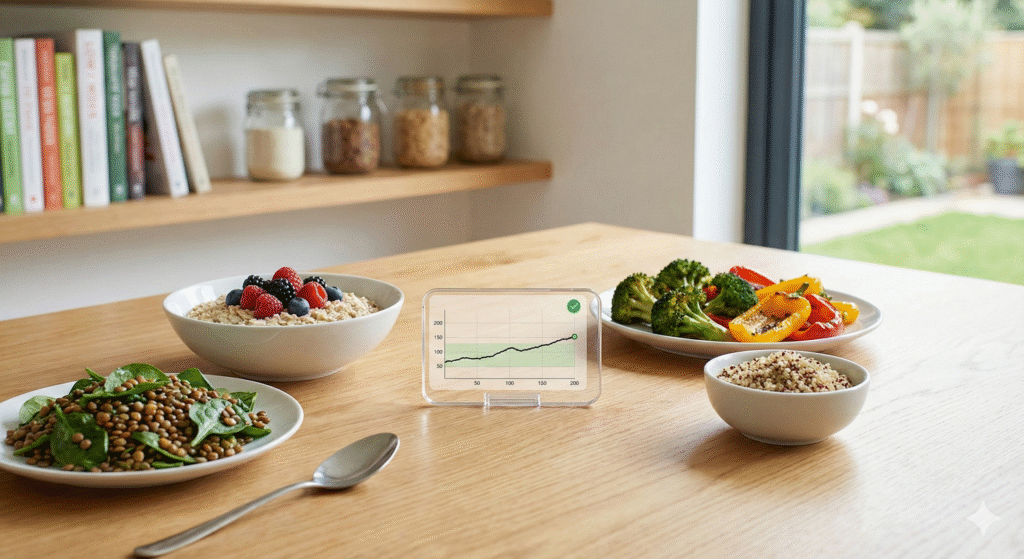
The glycemic index impact on sustainable weight loss is more than just a nutrition buzzword. It’s a practical tool that helps you choose foods that support long-term weight control. By understanding how different carbohydrates affect your blood sugar, you can make smarter choices that keep you fuller longer and prevent the energy crashes that often lead to overeating.
How the Glycemic Index Affects Sustainable Weight Loss
The glycemic index (GI) ranks carbohydrate-containing foods based on how they affect blood sugar levels. Foods are scored on a scale from 0 to 100. Low-GI foods (55 or below) cause a gradual rise in blood sugar, while high-GI foods (70 or above) lead to quick spikes. This matters for weight loss because blood sugar fluctuations can trigger hunger even when your body doesn’t need more fuel.
Consistently choosing low-GI foods helps you feel satisfied with fewer calories. This supports a steady and sustainable approach to weight control. Unlike fad diets, it focuses on quality rather than restriction, making it easier to stick with over time.
The Role of the Glycemic Index Impact On Sustainable Weight Loss
When blood sugar rises too quickly, insulin levels increase sharply. Insulin helps cells absorb glucose but also signals the body to store excess energy as fat. Frequent blood sugar spikes can lead to more fat storage, especially around the belly. In contrast, low-GI foods lead to milder insulin responses, which helps reduce fat accumulation and supports better metabolic balance.
Even small changes can make a big difference. Swapping white rice for quinoa or choosing oats instead of sugary cereals are simple ways to reduce your GI intake and improve your health. For those looking to amplify these efforts, some nutritional strategies like intermittent fasting for metabolic resilience can further support blood sugar regulation and fat metabolism.
Benefits of a Low-GI Diet for Long-Term Weight Control
- Improved satiety: Low-GI foods often contain more fiber, which helps you feel full longer.
- Steadier energy levels: Fewer crashes during the day mean less temptation to snack impulsively.
- Better blood sugar control: This can reduce the risk of type 2 diabetes, particularly in overweight individuals.
- Reduced cravings: Stable glucose levels help prevent mood swings and emotional eating.
Common Low-GI Foods to Include Often
Choosing more low-GI foods doesn’t have to be complicated. Here are a few choices to consider adding to your daily meals:
- Steel-cut oats
- Sweet potatoes
- Lentils and beans
- Non-starchy vegetables like spinach, broccoli, and peppers
- Whole fruits such as apples and berries
- Whole grains like barley, bulgur, and quinoa
Be mindful that not all low-GI foods are low in calories. Portion size still matters, especially for items like nuts and dried fruit.
Risks and Misconceptions to Avoid
Although focusing on the glycemic index has advantages, it shouldn’t be your only guide. Some low-GI foods may still be high in fats or processed ingredients. Dark chocolate, for example, has a low GI but contains added sugars and saturated fat. Similarly, ice cream has a moderate GI yet isn’t a healthy staple.
Using GI as just one part of a balanced eating strategy is key. Look at the bigger picture, including nutrient density and ingredient quality. Also, remember that combining foods affects GI. Eating white rice with vinegar or protein, for instance, can reduce the overall glycemic impact of the meal.
Tips to Use Glycemic Index for Real-World Weight Management
- Favor whole and minimally processed foods. The more refined a food is, the higher its GI tends to be.
- Pair carbs with protein or fat. This slows digestion and helps stabilize your blood sugar.
- Add fiber where you can. Fiber-rich foods not only lower GI but also help digestion and satiety.
- Be consistent, not perfect. One high-GI treat won’t ruin your efforts if your overall diet is balanced.
- Plan meals ahead of time. This makes it easier to stick with low-GI choices during busy or stressful days.
Final Thoughts on Using GI for Sustainable Results
Understanding the glycemic index impact on sustainable weight loss gives you an edge in making better food decisions. It encourages a thoughtful approach without severe restrictions. Over time, eating more low-GI foods can lead to improved blood sugar control, better appetite regulation, and healthier long-term habits. It’s not a quick fix, but a reliable way to build lasting results. To maximize these benefits, you may also explore daily circadian rhythm optimization techniques that align well with stable eating patterns and weight control efforts.
