

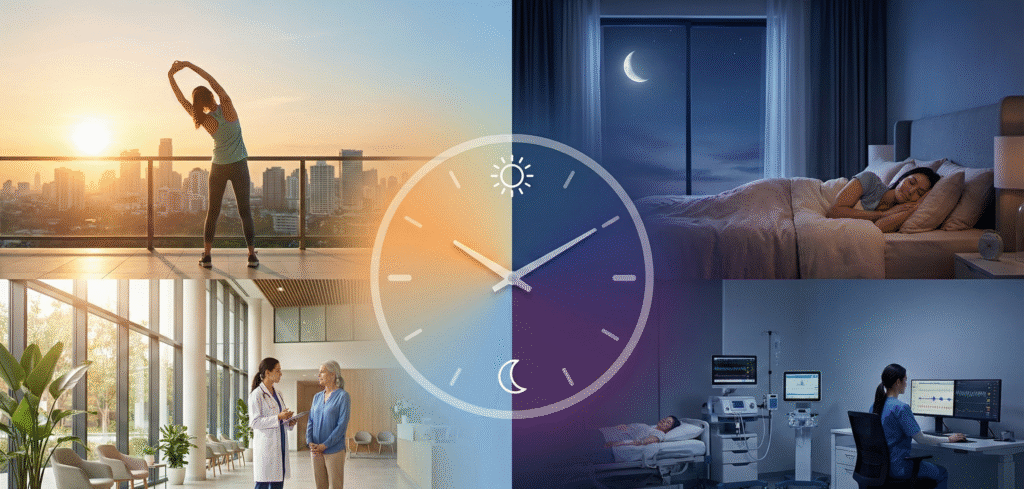
Daily circadian rhythm optimization techniques are gaining attention for their powerful influence on sleep, energy, mood, and overall wellness. By understanding and working with your body’s internal clock, you can support hormonal balance, mental clarity, and physical health. In this guide, we’ll cover the top science-backed methods to improve your circadian rhythm and help you feel your best from morning to night.
Why Daily Circadian Rhythm Optimization Techniques Matter
Your circadian rhythm is your body’s natural 24-hour cycle that governs sleep-wake patterns, hormone production, digestion, and more. When it’s functioning well, you feel alert during the day and sleepy at bedtime. However, inconsistent habits, late-night screen use, and irregular eating can disrupt this rhythm, leading to fatigue, poor sleep, and even long-term health issues.
Optimizing your circadian rhythm can improve sleep quality, enhance mental focus, support immune health, and may reduce the risk of chronic conditions such as type 2 diabetes or cardiovascular disease. While the body is remarkably adaptable, aligning your habits with your natural rhythm can significantly boost your daily well-being.
Top Daily Circadian Rhythm Optimization Techniques to Try
There are several practical ways to support your internal clock. These strategies are easy to implement and backed by research.
- Wake up and sleep at consistent times: Your rhythm thrives on routine. Going to bed and waking up at the same time each day—even on weekends—helps regulate melatonin production and improves sleep efficiency.
- Get morning sunlight exposure: Natural light is one of the strongest signals to reset your circadian rhythm. Aim to spend at least 15 to 30 minutes outside shortly after waking up, ideally before 10 a.m.
- Limit evening screen time: Blue light from screens can delay melatonin production, making it harder to fall asleep. Try using blue light filters or turning off devices at least an hour before bedtime. You may also benefit from incorporating mindfulness strategies for pandemic-induced anxiety relief to reduce nighttime overstimulation and promote better rest.
- Time your meals mindfully: Eating at regular intervals supports metabolic rhythms. Try to finish your last meal at least 2 to 3 hours before going to bed, and avoid late-night snacking.
- Incorporate movement during the day: Light to moderate exercise, especially in the morning or early afternoon, can help reinforce your natural energy cycle and improve sleep quality.
- Dim the lights at night: As bedtime nears, create a calm environment by dimming indoor lights. This encourages your body to produce melatonin naturally and begin winding down.
The Science Behind Circadian Health
Scientific research has shown that our circadian system influences nearly every organ and process in the body, from heart rate to insulin sensitivity. Disruptions can increase stress hormone levels, impair decision-making, and worsen chronic conditions. Understanding your body’s preferred rhythm helps you make informed decisions about when to eat, work, or rest.
Shift workers and frequent travelers often deal with circadian misalignment, which comes with noticeable effects such as disturbed sleep and sluggishness. For those individuals, even partial alignment with daily rhythm strategies can offer worthwhile benefits. Small adjustments over time tend to be more sustainable than a complete lifestyle overhaul.
Practical Considerations for Long-Term Success
Building habits around daily circadian rhythm optimization techniques requires consistency and patience. You may not notice immediate changes, but small practices maintained over time can have lasting effects. Additionally, personal variations exist. Some people are naturally early risers, while others function best later in the day. Knowing your own tendencies, often referred to as your “chronotype,” can help guide your rhythm-aligned schedule.
It’s also important to remember that life is unpredictable. Social events, work obligations, or illness may sometimes shift your schedule. If this happens, return to your healthy routine as soon as possible without stressing about minor setbacks. The body is resilient and can return to balance with continued effort. For those working from home or dealing with digital overload, structured breaks such as those offered at the best holistic retreats for remote work revival in 2025 can help realign your circadian and mental wellness routines.
Could There Be Any Risks?
For most people, optimizing the circadian rhythm is safe and beneficial. However, those with sleep disorders, mental health conditions, or shift work may need personalized advice from a healthcare provider. Dramatic changes to sleep patterns or light exposure in one step can cause temporary discomfort, such as grogginess or low mood. It’s best to ease into changes.
People taking medications that influence sleep or hormone levels should consult a doctor before using techniques like morning light exposure or melatonin supplements. Moderation is key. Personalized guidance can enhance results and reduce the risk of side effects.
Final Thoughts on Aligning with Your Body Clock
Daily circadian rhythm optimization techniques pave the way for more restorative sleep, consistent energy levels, and improved health over time. With simple, mindful changes—like getting sunlight, keeping a regular sleep schedule, and eating at similar times—you can work with your biology instead of against it.
Whether you’re looking to boost productivity, support digestion, or just feel better overall, tuning into your natural rhythm is a smart and sustainable step. Start small, stay consistent, and pay attention to how your body responds. Your internal clock may just become your most powerful health ally.
This content is for general informational purposes only. Please take advice from a qualified healthcare professional for your personal health ailments.
