

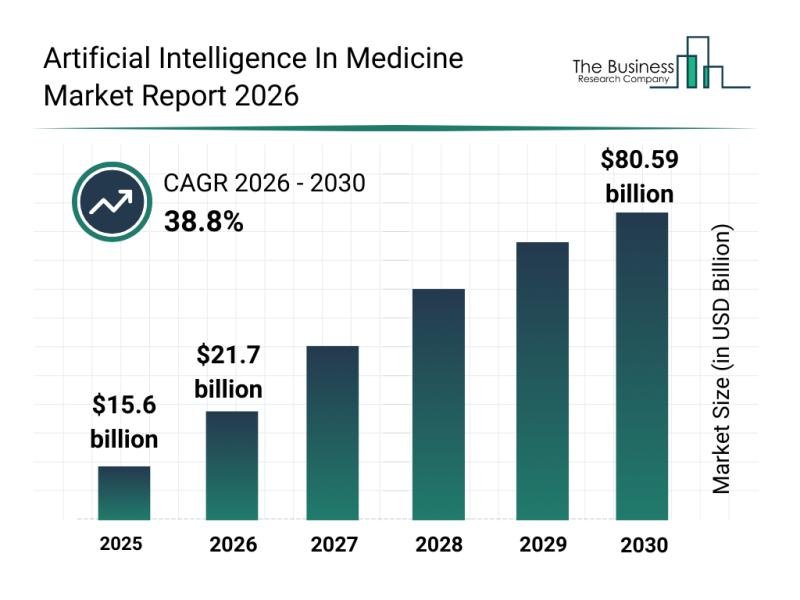
Artificial intelligence medicine integration is reshaping healthcare delivery and patient management in unprecedented ways. As the sophistication of AI applications advances, the effects on diagnostics, treatment personalization, and healthcare operations become increasingly profound. This integration sees AI taking center stage in improving efficiency, accuracy, and outcomes in medical care, symbolizing a pivotal shift towards more informed and automated healthcare solutions.
The Impact of Artificial Intelligence Medicine Integration on Healthcare
Artificial intelligence is rapidly becoming a cornerstone in medical advancements, contributing significantly to how healthcare systems operate. AI offers enhanced diagnostic capabilities, with machine learning algorithms now identifying patterns and anomalies in patient data faster and more accurately than traditional methods. This innovation leads to earlier interventions and improved patient outcomes. Additionally, AI’s role in treatment personalization has grown, assisting healthcare providers in crafting individualized treatment plans based on comprehensive patient data, thereby improving efficacy and patient satisfaction.
Revolutionizing Diagnostics with AI
AI medicine integration fuels the transformation of diagnostic processes. For instance, AI-powered tools now aid radiologists by highlighting suspicious areas on scans that may require further investigation. As a result, the accuracy of early disease detection increases, which crucially influences treatment success rates. Furthermore, AI supports pathologists in analyzing tissue samples, offering a second opinion to minimize diagnostic errors and optimize treatment strategies.
Enhancing Treatment Personalization
Personalized medicine receives a substantial boost through AI integration, which enables healthcare providers to tailor treatments based on patients’ genetic profiles and historical data. This personalization can lead to more effective treatments with fewer side effects. Moreover, AI assists in monitoring patient responses to therapies, allowing adjustments to be made in real-time, thus optimizing therapeutic outcomes.
Streamlining Healthcare Operations
Beyond diagnostics and treatment, AI integration profoundly affects healthcare operations’ efficiency. Automated administrative processes, such as scheduling and patient data management, free up valuable time for healthcare professionals. As AI tools handle repetitive tasks, medical staff can focus more on patient care, enhancing satisfaction and outcomes. This aligns with broader strategies such as the UAE AI health data integration initiatives. As a result, healthcare systems can experience reduced costs and improved workflow efficiency.
The continuous advancement and integration of artificial intelligence in medicine promise an era of transformative outcomes. Healthcare providers can expect to see increased adoption of AI technologies that streamline processes and improve patient care quality. However, ongoing research and ethical considerations must guide this integration to ensure patient safety and trust.
Key Takeaways
- AI is enhancing the accuracy and speed of diagnostics in healthcare.
- Personalized treatments benefit from AI’s data-driven insights.
- AI streamlines operations, allowing healthcare professionals to focus more on patient care.
Medical Disclaimer
This article provides informational content only and does not constitute medical advice or recommendation.
