

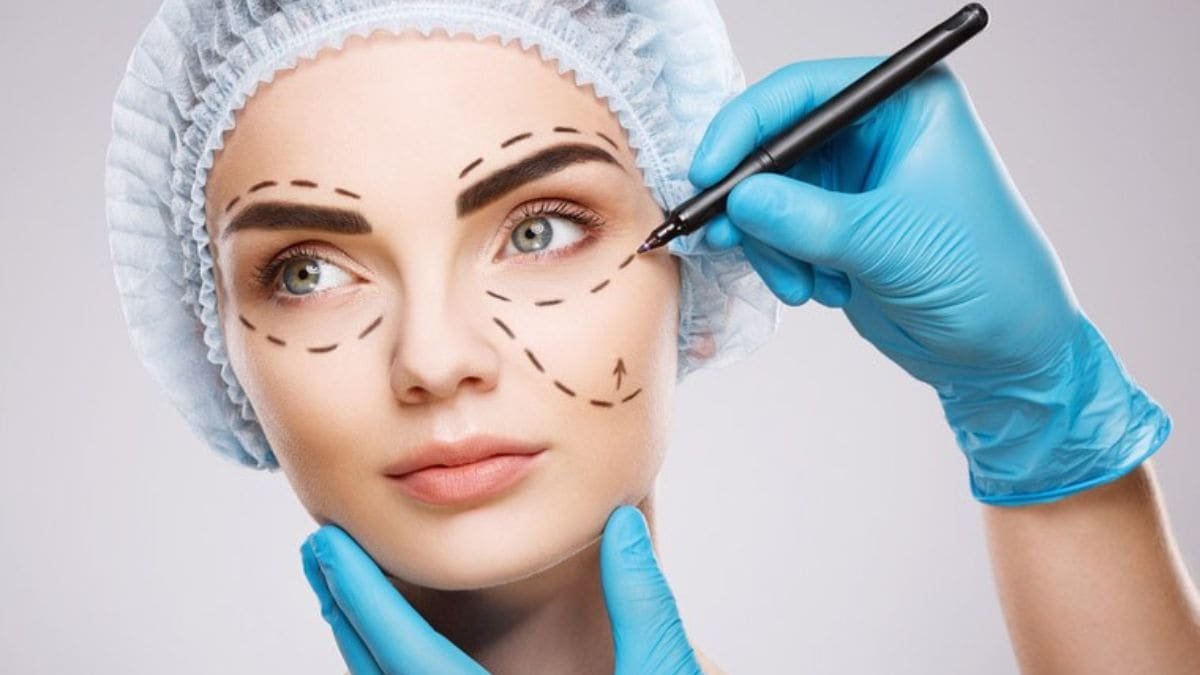
The convergence of social media and cosmetic surgery in 2026 reveals a compelling paradox: while the digital realm promises to broaden beauty concepts, it often narrows them to unnaturally standardized ideals. This examination of social media cosmetic surgery trends underscores a significant shift in how young adults view aesthetic enhancement, driven by the pervasive influence of platforms like Instagram and TikTok.
Social Media Cosmetic Surgery: An In-Depth Analysis
As digital mirrors endlessly reflect idealized versions of beauty, young adults increasingly seek cosmetic procedures to align their physical appearances with these edited images. Notably, the prevalence of social media filters and photo-editing apps sets an almost unattainable benchmark, encouraging quick fixes through surgical intervention. In contrast to past decades, where corrective procedures were predominantly for congenital or age-related changes, today’s motivations stem largely from the desire to mimic digitally created aesthetics.
The Driving Forces Behind the Trend
Consequently, social media platforms play a dual role: they serve as both a stage for showcasing perfection and a catalyst for dissatisfaction. Many users, predominantly those in their late teens to mid-twenties, report heightened pressure to achieve these flawless standards. The immediacy of likes and comments amplifies this urgency to alter one’s appearance, often bypassing the consideration of long-term impacts. The trend parallels the progress seen in India’s approach to integrating traditional practices in modern strategies.
Healthcare Implications and Ethical Concerns
This trend, however, poses critical challenges for healthcare providers tasked with navigating the fine line between patient autonomy and ethical medical practice. Many practitioners express concerns about the psychological readiness of young patients pursuing surgery based solely on fleeting online trends. Moreover, these procedures often carry risks not typically highlighted in their social media portrayals. It is imperative for clinicians to ensure informed consent, prioritizing a comprehensive understanding of the surgical journey over the immediate gratification of a new profile picture.
Policy Responses and Research Directions
Recognizing these dynamics, some policy leaders advocate for tighter regulations on digital manipulation across social platforms, urging transparency and accountability. Meanwhile, emerging research suggests a need to explore the psychological impacts of such trends deeply, particularly how they shape self-perception and mental health. Additionally, public health education might be key in reshaping perceptions, emphasizing the diversity of natural beauty over uniform ideals. This can be likened to the progressive use of sustainable practices and policies.
In conclusion, the intersection of social media and cosmetic surgery presents a multifaceted challenge, underscoring the need for thoughtful dialogue between the tech industry, healthcare providers, and policymakers. The long-term implications of these trends remain a crucial area for ongoing research, shaping future societal narratives around beauty and identity.
Key Takeaways
- Social media significantly influences cosmetic surgery trends among young adults.
- Ethical, psychological, and health considerations are paramount in this evolving landscape.
- Public health and policy responses can help mitigate potential negative impacts.
Medical Disclaimer
This content is for informational purposes only and does not constitute medical advice.
