

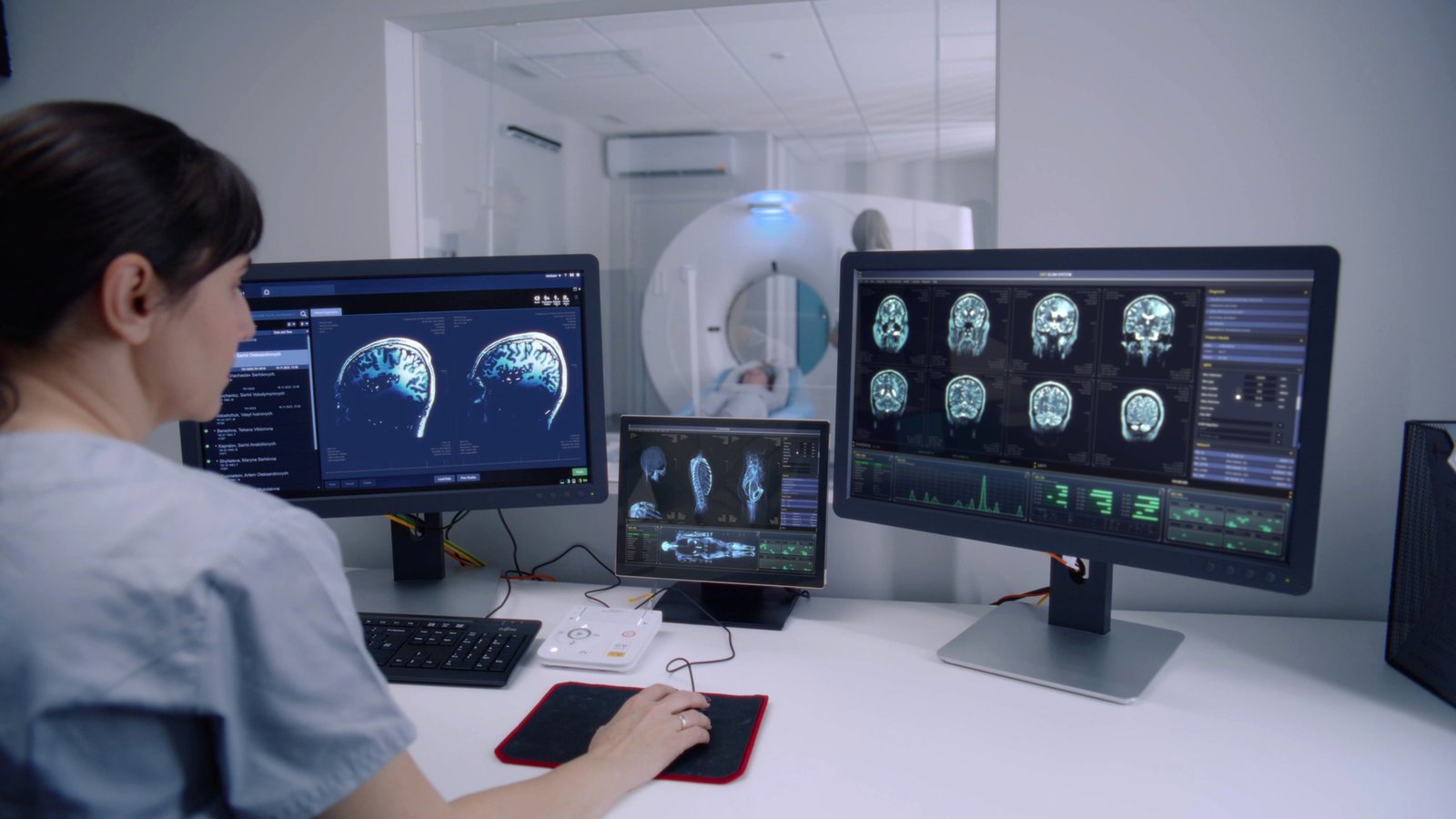
Machine learning medical devices are transforming the healthcare landscape by enabling faster analysis, earlier disease detection, and more responsive treatment options. Although often confused with the self-aware artificial intelligence of science fiction, these devices leverage machine learning—an area focused on creating math-based models that improve over time at designated tasks. As healthcare evolves, incorporating these advanced tools becomes increasingly important, redefining patient care and medical procedures worldwide.
Machine Learning Medical Devices: Driving Innovations in Healthcare
The integration of machine learning in medical devices presents a significant shift in how healthcare practitioners manage patient care. These devices, equipped with powerful algorithms, enhance the accuracy and efficiency of medical diagnostics. By processing vast amounts of data quickly, they provide earlier and more precise diagnoses. For instance, machine learning models are currently being used to streamline MRI and CT scan workflows, which significantly reduces the time needed for imaging analysis while improving diagnostic accuracy.
The Benefits of Machine Learning in Medical Devices
Machine learning in medical devices offers several pivotal advantages. First, it enables personalized healthcare by tailoring treatment plans based on individual patient data. Furthermore, these devices contribute to predictive analytics, helping clinicians anticipate health issues before they become critical. Finally, the automation capabilities present in machine learning free up valuable time for medical professionals, allowing them to focus more on direct patient care. Consequently, healthcare systems become more efficient and patient-centered.
Challenges Facing Machine Learning Medical Devices
Despite their potential, machine learning medical devices face various challenges. Data privacy remains a top concern as these devices handle sensitive patient information. Therefore, robust data protection measures are necessary to maintain patient trust and comply with legal requirements. Additionally, the lack of standardized protocols in the development and deployment of these devices can lead to inconsistencies and potential errors in medical decisions. Therefore, industry-wide collaboration is essential to establish comprehensive standards ensuring device safety and reliability.
The Road Ahead for Machine Learning in Healthcare
The future of machine learning medical devices is promising yet complex. As technology evolves, regulatory bodies must adapt to new advancements while maintaining the highest safety standards. Ongoing research and development will focus on enhancing machine learning algorithms to tackle increasingly complex medical challenges. Moreover, as evidence grows, these innovations will likely become integral components of healthcare systems globally, leading to improved patient outcomes and more efficient healthcare delivery. However, stakeholders must address ethical considerations and continue to engage in transparent discussions about algorithmic accountability and data ethics.
Ultimately, machine learning medical devices are set to revolutionize healthcare, bringing forth unprecedented opportunities for improved patient care and operational efficiency.
Key Takeaways
- Machine learning devices offer significant diagnostic speed and accuracy improvements.
- Challenges include data privacy concerns and the need for industry standardization.
- Future innovations in these devices hinge on balancing technology with ethical considerations.
Medical Disclaimer
This content is intended for informational purposes only and does not constitute medical advice.
