

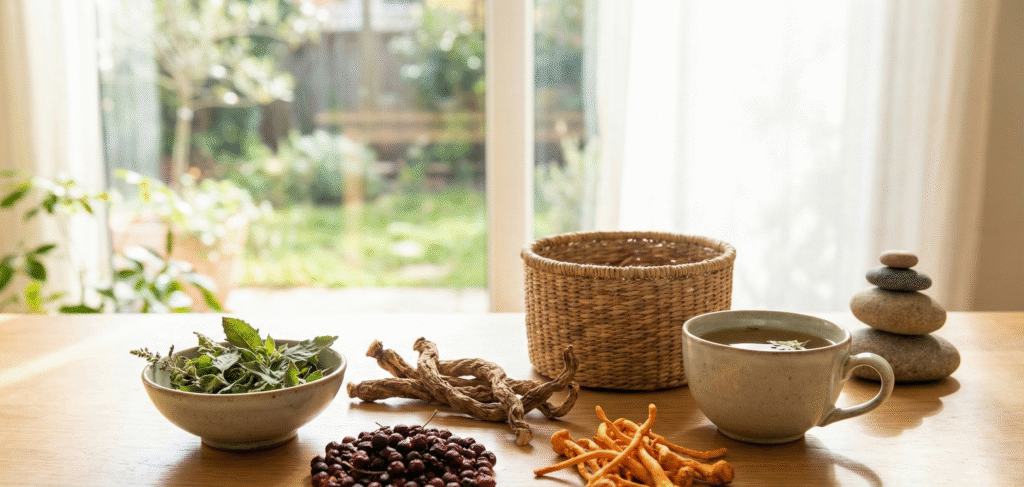
Emerging Adaptogenic Herbal Alternatives are gaining attention as people seek natural ways to support energy, reduce stress, and enhance wellness. Adaptogens are herbs or substances that may help the body resist stressors of all kinds—physical, chemical, or biological.
Understanding Emerging Adaptogenic Herbal Alternatives
Adaptogens have been part of traditional medicine for centuries. However, modern science is now exploring newer or less-common herbs with adaptogenic potential. While classics like ashwagandha and ginseng are still popular, emerging options show promise based on early research.
These newer adaptogens may offer daily support for stress resilience, mental clarity, and metabolic balance. Let’s explore which herbs are making headlines and what we currently know about their benefits, limitations, and safety.
Why Consider Emerging Adaptogenic Herbal Alternatives Now?
Chronic stress affects hormones, sleep, digestion, and immunity. The World Health Organization (WHO) and the Centers for Disease Control and Prevention (CDC) recognize stress as a leading health risk. Some emerging adaptogens may help manage these effects when used wisely alongside healthy lifestyle habits.
Research is ongoing. But early results suggest these herbs may help the body adapt more efficiently to daily physical and mental demands—without overstimulating essential systems.
Top Emerging Herbal Adaptogens to Know
- Rhodiola crenulata: A high-altitude cousin of Rhodiola rosea, this herb contains salidroside, which may support energy and focus. A few double-blind trials suggest it may improve mild fatigue, though more rigorous studies are needed (PubMed, 2021).
- Eleutherococcus senticosus (Siberian Ginseng): Often confused with true ginseng, it may enhance endurance and cognitive performance. According to a Cochrane Review (2020), the evidence remains mixed but promising for short-term use.
- Schisandra chinensis: Native to East Asia, this berry may support liver detoxification and mood balance. Early clinical research indicates it may improve work capacity and reduce biochemical stress markers.
- Tulsi (Ocimum sanctum): Known as Holy Basil, Tulsi is an Ayurvedic herb with anti-inflammatory and adaptogenic effects. A 2022 meta-analysis published in the Journal of Ayurveda and Integrative Medicine found moderate evidence for its mood and blood sugar support. Tulsi’s blood sugar balancing effects align with broader strategies like glycemic index impact on sustainable weight loss, which also emphasize steady energy and metabolic wellness.
- Cordyceps militaris: A medicinal mushroom now cultivated more widely, Cordyceps may support stamina and oxygen use. NIH-funded studies report improved exercise tolerance in small populations, but long-term safety needs review.
Practical Guidance on Using Emerging Adaptogenic Herbal Alternatives
If you’re interested in trying these herbs, consider starting with one at a time. Monitor how your body responds. Quality matters—purchase from reputable sources that test for contaminants.
Dosage standards are not well-established for many newer adaptogens. Therefore, follow product guidelines or consult a healthcare provider trained in herbal medicine. Moreover, be aware of potential interactions with prescribed medications, particularly those affecting blood pressure, blood sugar, or hormone levels.
Possible Risks and Considerations
Not all adaptogens are safe for everyone. Pregnant or breastfeeding people, and those with liver or kidney conditions, should use caution or avoid them unless advised by a doctor. Adaptogens may over-stimulate certain individuals or cause digestive upset.
Also, remember that “natural” does not guarantee safe. More clinical trials are necessary to fully understand the safety profiles of emerging herbs. The National Institutes of Health provides updated fact sheets on many supplements, which can be a valuable reference (NIH Office of Dietary Supplements).
For ongoing stress or chronic fatigue, adaptogens alone are not enough. They work best alongside proven strategies like sleep, good nutrition, regular exercise, and mental health care. In fact, integrative approaches combining herbs, mindfulness, and lifestyle modifications—such as Integrative Cognitive Behavioral Mindfulness Therapy may offer complementary support for emotional balance and stress relief.
Conclusion: A Balanced Approach to Adaptogenic Support
Emerging Adaptogenic Herbal Alternatives may offer exciting new tools for managing everyday stress and fatigue. But they are not a magic solution. Combining them with lifestyle changes and medical guidance remains key.
As research evolves, more herbs may earn validation through clinical trials. Until then, always approach new supplements with care, curiosity, and the support of evidence-based advice.
This content is for general informational purposes only. Please seek guidance from a qualified healthcare professional regarding your personal health concerns.
