

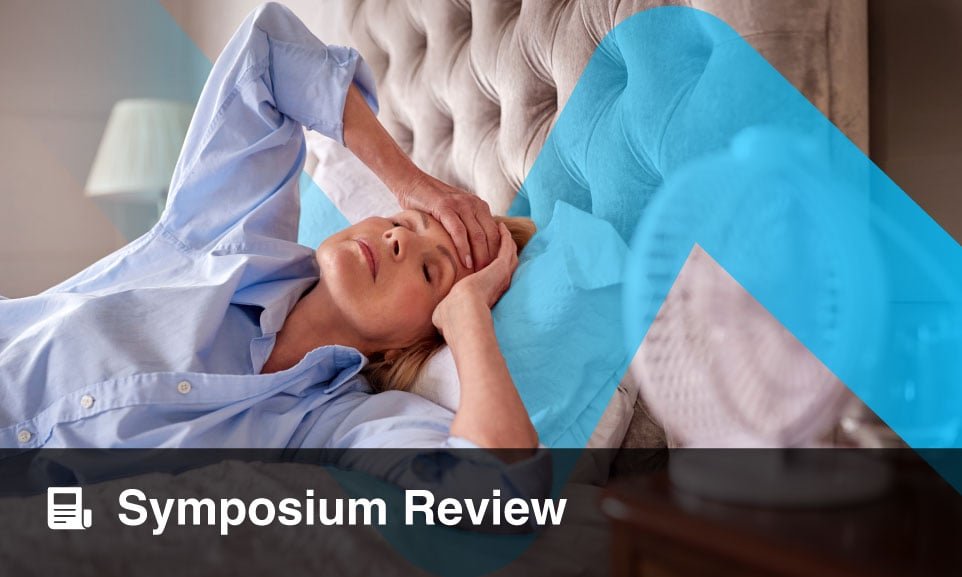
Women’s health, particularly around menopause, demands more attention and care. A recent symposium, organized by the Women’s Health Academy with support from Bayer, focused on advancing women-centered menopause care. This compelling event, held in March 2026, aimed to widen the conventional clinical perspective and amplify women’s voices in menopause discussions.
Emphasizing Women Centered Menopause Care
The symposium underscored the necessity for a paradigm shift towards women-centered menopause care. Traditionally, menopause has been viewed through a narrow clinical lens, often sidelining the personal experiences and preferences of women. This symposium called for a more inclusive approach that acknowledges both the physiological and emotional challenges faced during menopause.
Challenges in Traditional Menopause Approaches
Historically, medical approaches to menopause have predominantly focused on symptom management. However, attendees argued that this method fails to address the comprehensive needs of women. For example, while treatments may alleviate hot flashes, they often ignore the profound emotional and psychological impacts during this transitional period. Therefore, expanding the treatment framework is crucial.
Broadening Perspectives in Treatment
Experts at the symposium advocated for a more holistic treatment approach. They emphasized integrating lifestyle changes, mental health support, and personalized care plans tailored to individual women’s needs. This strategy, they argued, not only improves physical symptoms but also enhances overall well-being and quality of life.
Amplifying Women’s Voices in Menopause Care
Launching a dialogue that prioritizes women’s voices was a primary focus of the event. The discussions highlighted the importance of including women’s personal experiences and feedback in developing treatment plans. By doing so, healthcare providers can offer more empathetic and effective solutions attuned to the unique challenges women face during menopause.
Additionally, the symposium presented a future vision where women are not just passive recipients of care but active participants in their health journey. Involving them in decision-making processes ensures treatments align with their values and lifestyle, fostering a sense of empowerment and agency. Understanding this empowerment is crucial given the financial impact of menstrual and menopausal absenteeism, where absenteeism in the workplace highlights the importance of supportive health systems.
Key Takeaways
- Women-centered menopause care requires a shift towards holistic, personalized treatment.
- Incorporating women’s voices and experiences leads to more effective and empathetic care.
- Empowering women in their health decisions enhances their quality of life.
Medical Disclaimer
The content provided is for informational purposes only and should not substitute for professional medical advice.
