

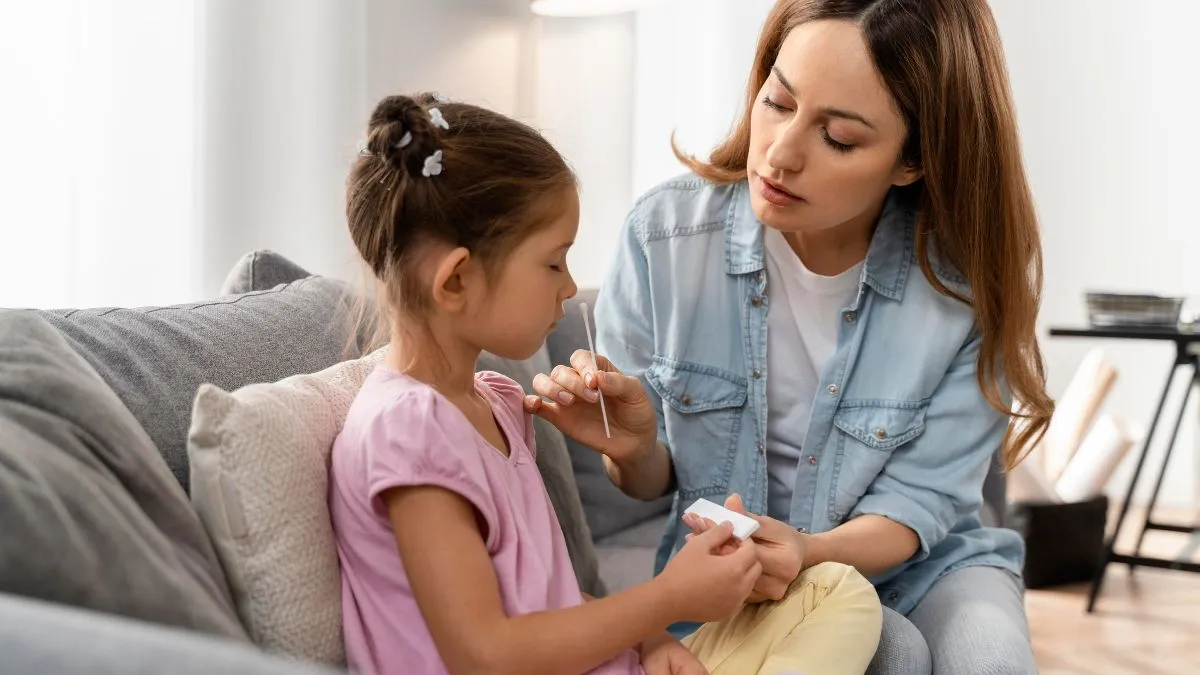
Parents frequently resort to over-the-counter (OTC) medicines to provide swift relief for their children. However, avoiding self-medicating children is imperative due to the potential risks associated with unmonitored drug use. This issue matters profoundly as improper self-medication can lead to unforeseen health complications, particularly in children whose developing bodies are sensitive to incorrect dosages and unsuitable medications.
Avoiding Self-Medicating Children: Why It Matters
Parents often face situations where their child appears ill, and the immediate reaction is to provide relief through accessible means like OTC medications. While these medications offer convenience, they can mask underlying health issues or cause adverse reactions if misused. Therefore, understanding the implications of self-medicating children can foster better health outcomes.
Health Risks of Self-Medicating Children
Self-medicating children without professional guidance can expose them to several health risks. For instance, incorrect dosages can result in overdosing, while repeated use of certain drugs might lead to developing resistance or dependency. Additionally, every child’s physiology is unique, and medications that work for one might cause harm to another, particularly those with allergies or underlying conditions.
The Importance of Consulting Healthcare Professionals
Consulting with healthcare professionals before administering any medication to children ensures proper diagnosis and treatment. Doctors can recommend appropriate treatments based on the child’s age, weight, and medical history. Notably, they can provide insights into alternative non-drug remedies or lifestyle adjustments that might alleviate symptoms without medication.
Alternatives to OTC Medications
Parents can explore several non-medication approaches to manage minor ailments in children. Ensuring adequate hydration, rest, and nutrition plays a crucial role in recovery. Additionally, for issues like mild pain or colds, natural remedies such as warm compresses or steam inhalation can offer relief without the potential downsides of pharmaceuticals.
Ultimately, prioritizing safety and consulting medical professionals before administering any drugs is vital for safeguarding children’s health. As research continues to highlight the nuances of child health care, parents must remain informed and cautious.
Key Takeaways
- Consult healthcare professionals to ensure safe treatment for children.
- Explore alternative, non-drug remedies where appropriate.
- Be aware of the risks associated with self-medicating children.
Medical Disclaimer
This article is for informational purposes only and should not be considered medical advice.
