

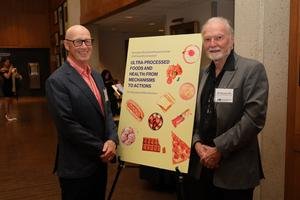
In a groundbreaking symposium organized by Pennington Biomedical, experts from across the globe convened to discuss the impact of ultra-processed foods on human health. The event, titled “Ultra-Processed Food and Health: From Mechanisms to Actions,” delved into the intricate connections between these foods and chronic diseases, addressing gaps in current research and exploring policy and public health strategies. As our understanding of nutrition sciences evolves, the significance of ultra-processed foods in global health becomes increasingly pertinent.
Understanding the Impact of Ultra-Processed Foods
Ultra-processed foods, often characterized by their extensive industrial formulations, have become a staple in modern diets. Researchers at the symposium highlighted how these foods, laden with additives and lacking nutritional value, may contribute to an array of chronic health issues. Not only do these foods dominate supermarket shelves, but they also impact dietary patterns worldwide, influencing what many consider a balanced diet.
Mediating Biological Mechanisms
Understanding the biological mechanisms linking ultra-processed foods to health detriments was a critical discussion point. Experts argued that these foods can disrupt hormonal balance, alter gut microbiota, and promote inflammation, all of which can cascade into chronic diseases like obesity and diabetes. Consequently, these findings spotlight the need for more targeted nutritional guidelines and interventions.
Research Gaps and Challenges
While the symposium shed light on existing knowledge, it also underscored significant research gaps. Scientists emphasized the necessity for long-term studies to more accurately determine the causative relation between ultra-processed food consumption and health outcomes. Therefore, fostering cross-disciplinary collaboration remains crucial to advancing research in this arena.
Addressing the Food Environment
Discussions also focused on the role of industry practices and the food environment in shaping dietary habits. Public health experts advocated for stricter regulations on food marketing and labeling, as these could lead to healthier consumer choices. Additionally, initiatives to make natural and minimally processed foods more accessible emerged as vital strategies in reversing current dietary trends. This aligns with the broader trends seen in healthcare AI operational execution, emphasizing diverse and precise data for improved public health outcomes.
Policy and Public Health Actions
The symposium’s discourse extended into the realm of policy-making. Presenters proposed actionable insights for governments and international bodies to mitigate the adverse effects of ultra-processed foods. These include implementing educational campaigns, reformulating food products, and encouraging nutritional labeling reforms. Ultimately, bridging the gap between science and policy could drive significant progress in public health initiatives.
In conclusion, the dialogue initiated by Pennington Biomedical and its participants marks a significant step towards a deeper comprehension of ultra-processed foods and their global health ramifications. Recognizing the urgent need for continued research and targeted actions can pave the way for informed dietary decisions and healthier future generations.
Key Takeaways
- Research indicates that ultra-processed foods may contribute to chronic diseases like obesity and diabetes.
- Significant gaps in current studies highlight the need for ongoing, comprehensive research.
- Policy reforms and industry regulation are crucial for improving public health nutrition.
Medical Disclaimer
This article offers informational content only and does not provide medical advice.
